
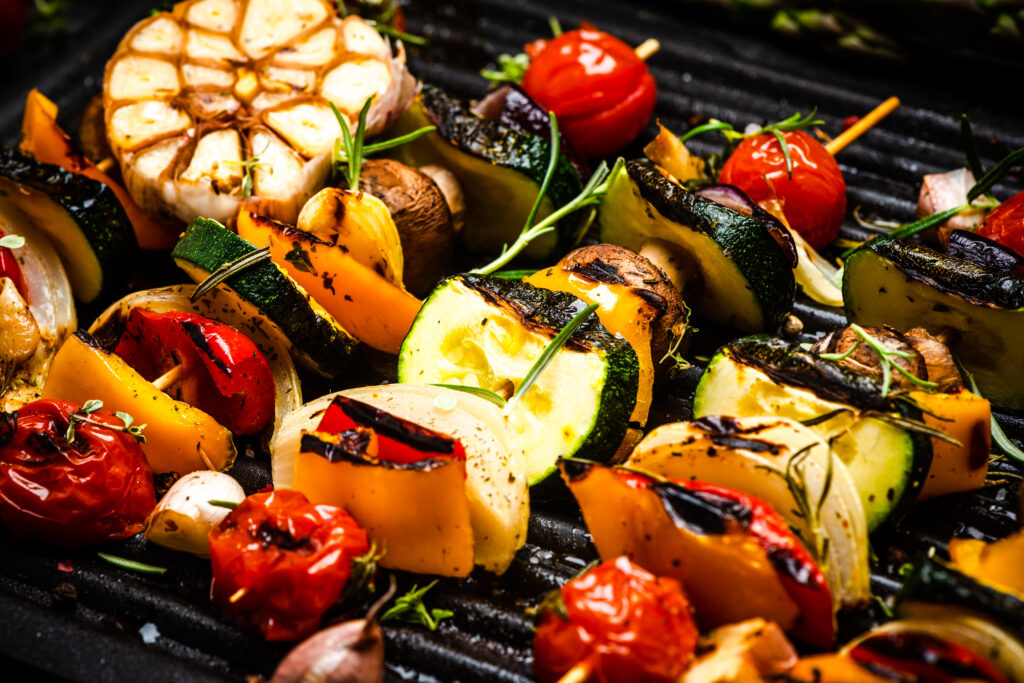
In the high-stakes environment of a professional kitchen, protein often takes center stage. But any seasoned chef knows that the true mark of a balanced menu lies in the sides. Grilled vegetables are no longer just an afterthought or a garnish; they are a culinary event in their own right. The transformation that happens when fresh produce meets open flame is nothing short of magic — sugars caramelize, textures become complex, and flavors deepen.
However, mastering the art of grilling vegetables requires more than just tossing zucchini slices over a fire. It demands an understanding of heat zones, timing, and the specific characteristics of your grill. Whether you are running a bustling steakhouse or a farm-to-table bistro, elevating your vegetable game is a surefire way to impress diners. In this guide, we will explore the best candidates for the grate, the techniques to perfect them, and why investing in a commercial wood grill can set your kitchen apart.
What Are The Best Vegetables To Grill
Not all produce is created equal when it comes to the high heat of a grill. Some vegetables wilt and disintegrate, while others thrive, developing a delicious char that contrasts beautifully with a tender interior.
- Asparagus: A perennial favorite. The high heat crisps the tips while keeping the stalks tender. It cooks quickly, making it perfect for high-volume service.
- Bell Peppers: When grilled, the skin of a bell pepper blisters and chars, imparting a smoky sweetness that raw peppers simply cannot match. They are resilient and can withstand intense heat.
- Eggplant: Like a sponge, eggplant absorbs the smoky aroma of the fire. Thick slices grilled until creamy on the inside make for a substantial vegetarian main or a rich side dish.
- Zucchini and Summer Squash: These require a watchful eye but reward you with beautiful grill marks and a sweet, nutty flavor.
- Corn: Perhaps the king of grilled vegetables. Whether grilled in the husk for a steamed effect or naked for a charred finish, corn takes on a deep, savory sweetness over the fire.
- Portobello Mushrooms: Meaty and robust, these hold up well to grilling and act as a fantastic vehicle for marinades.
How To Grill Vegetables on the Grill
Great grilled vegetables start long before the food hits the heat. The preparation is just as critical as the cooking time.
- The Cut Matters: Uniformity is key. Slice your vegetables to an even thickness to ensure consistent cooking. For smaller items like cherry tomatoes or sliced onions, consider using a grill basket to prevent them from falling through the grates. For larger items like eggplant or squash, cut them into thick planks or rounds that are easy to flip.
- Oil and Season: Vegetables have a high water content and can easily stick to hot grates. Toss your veggies in a high-smoke-point oil (like grape seed or canola) before seasoning. This creates a barrier against sticking and encourages those coveted grill marks. Season generously with kosher salt and fresh cracked pepper. For a grilled vegetables recipe that pops, add dried herbs like oregano or thyme to the oil mixture.
- Manage Your Heat Zones: Just like with meats, you need to master direct vs. indirect heat.
- Direct Heat: Use this for thin vegetables like asparagus or sliced peppers that cook quickly. Sear them over the hottest part of the fire to get color, then move them if they need a few more minutes to soften.
- Indirect Heat: Denser vegetables like whole potatoes, artichokes, or thick wedges of cauliflower benefit from indirect heat. This allows them to cook through without burning the exterior.
- Timing is Everything: Grilling vegetables is a fast process. Asparagus might take 3-4 minutes, while corn on the cob could take 10-15. Keep a close watch; the line between “perfectly charred” and “burnt” is thin.
Pro Tips For Grilling Vegetables
If you want to cook like the pros, you need to look beyond the gas dial. The secret weapon in top-tier kitchens is often the fuel source itself. Cooking with wood introduces a flavor profile that gas simply cannot replicate.
Invest in a Commercial Wood Grill
There is a reason why the best steakhouses and grilling experts prefer a wood-burning grill. The combustion of real wood releases aromatic compounds that infuse the food with a natural, smoky flavor. This “flavor bath” is particularly effective with vegetables, which are naturally porous. A commercial wood grill like those from Aztec Grill is designed to harness this power efficiently.
Why Wood Wins:
- Higher Heat: Wood fires can burn hotter than standard gas burners, allowing for a rapid sear that locks in moisture and nutrients.
- Flavor Complexity: Different woods (hickory, oak, mesquite) impart different notes. Cooking with wood allows you to pair your fuel with your food—try fruitwoods for delicate items like squash or hickory for robust mushrooms.
- The “Crunch” Factor: The dry, intense heat of a wood-fired grill caramelizes natural sugars faster, creating a crisp exterior that stays crunchy longer than veggies steamed over a gas flame.
Mastering the Airflow
Pro chefs know that heat control on a wood-fired grill comes down to airflow. Aztec Grills, for example, utilize a patented airflow system that ensures even heat distribution across the cooking surface. This eliminates hot spots and allows you to use the entire grill grate effectively—crucial during a busy dinner rush. By controlling the air intake, you can manipulate the intensity of the flame, giving you the precision needed to char a pepper one minute and slow-roast a tomato the next.
Grilled vegetables are a testament to the philosophy that simple ingredients, treated with respect and the right technique, can yield extraordinary results. By selecting the right produce, preparing it with care, and embracing the ancient art of cooking with wood, you can elevate your menu and offer your guests a dining experience they won’t forget.
Whether you are searing asparagus spears or roasting whole ears of corn, the equipment you use acts as your partner in the process. A high-quality commercial wood grill offers the power, control, and flavor infusion necessary to turn humble vegetables into the stars of the show.
Ready to bring the authentic taste of wood-fired cooking to your kitchen? Contact Aztec Grill today to learn more about our line of commercial grills and find the perfect fit for your restaurant.
Frequently Asked Questions
Q. What is the best way to prevent vegetables from falling through the grill grates?
The most effective method is to cut your vegetables into large, long planks or rounds that span across multiple grate bars. For smaller, bite-sized pieces like cherry tomatoes or sliced onions, using a stainless steel grill basket or threading the vegetables onto skewers (making kebabs) ensures they stay safe and cook evenly without falling into the fire.
Q. Do I need to par-boil vegetables before grilling?
For most vegetables, par-boiling is not necessary and can lead to a mushy texture. However, for very dense vegetables like whole potatoes or carrots, a quick blanch (boiling for 2-3 minutes) before they hit the grill can speed up the cooking process and ensure the center is tender by the time the outside is charred.
Q. What are the benefits of using a commercial wood grill for vegetables?
A commercial wood grill offers superior heat output and flavor infusion compared to gas grills. The natural smoke from the wood penetrates the vegetables, adding a savory depth that enhances their natural sweetness. Additionally, the intense dry heat of a wood fire caramelizes the exterior quickly, creating a desirable texture that retains the vegetable’s nutrients and crunch.