
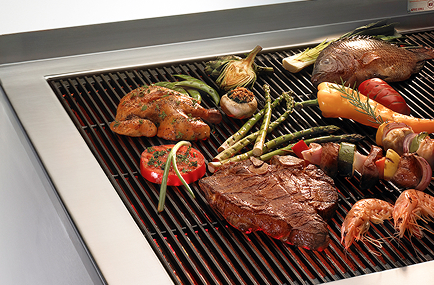
Commercial wood-fired grills can bring distinctive flavor, high-heat cooking, and an engaging experience to a restaurant kitchen. However, getting consistent results requires more than simply adding wood to a fire and placing food on the grill. Fuel selection, maintenance, temperature control, cooking techniques, and staff training all play a role in grill performance.
Understanding common commercial wood-fired grill mistakes can help restaurant owners and kitchen teams protect their equipment, improve food quality, reduce unnecessary operating costs, and maintain a safer cooking environment.
Using the Wrong Type of Wood
One of the most important factors in wood-fired cooking is the fuel. Different types of wood can produce different heat levels, burn characteristics, and flavors, making fuel selection an important part of the cooking process.
Hardwoods are generally preferred for commercial wood-fired grilling because they tend to burn longer and provide consistent heat. Examples include oak, hickory, maple, and other suitable hardwoods. Softwoods can burn quickly, produce more smoke, and may not provide the desired cooking characteristics.
Moisture content is another consideration. Wood that has not been properly seasoned can be difficult to ignite and may produce excessive smoke. Inconsistent fuel can make it harder for kitchen staff to maintain the desired cooking temperature.
For more information about selecting the right fuel, read Aztec Grill’s guide to pairing wood types with ingredients for wood-fired cooking.
Wood-fired grilling tip: Establish a consistent fuel standard for your kitchen and make sure staff understand which types of wood are appropriate for your grill.
Neglecting Routine Maintenance
Regular maintenance is essential for keeping a commercial wood-fired grill operating properly. Allowing ash, grease, and food debris to accumulate can contribute to performance issues and create unnecessary safety concerns.
Ash should be removed regularly according to the grill manufacturer’s recommendations. Excess ash can interfere with airflow and affect how efficiently the fire burns.
Grease management is equally important. Grease and food residue can accumulate on cooking surfaces and other components, affecting cooking performance and increasing the potential for flare-ups.
Kitchen staff should also routinely inspect components such as cooking grates, fireboxes, doors, handles, and other high-use areas. Identifying worn or damaged components early can help prevent larger equipment problems and unexpected downtime.
For additional cleaning recommendations, see Aztec Grill’s guide to cleaning a commercial wood-burning grill.
A consistent commercial grill maintenance schedule helps protect the equipment while supporting more reliable day-to-day operation.
Poor Temperature Control
Temperature control is one of the biggest challenges when transitioning to wood-fired cooking. Unlike many gas or electric cooking appliances, wood-fired grills require the cooking team to manage the fire and airflow to maintain consistent heat.
Poor temperature control can result in hot spots, uneven cooking, overcooked food, or longer cooking times. These issues can affect both food quality and kitchen efficiency.
Staff should understand how the grill’s airflow, fuel placement, fire size, and cooking surface affect temperature. Using appropriate temperature monitoring tools can also help employees identify changes in heat before they affect food.
Rather than relying solely on visual indicators, kitchen teams should develop consistent procedures for monitoring and adjusting the fire throughout service.
Aztec Grill’s Guide to Using Wood-Burning Grills provides additional information on fuel, airflow, heat management, and live-fire cooking techniques.
Overloading the Grill Surface
During busy restaurant service, it can be tempting to maximize every inch of the cooking surface. However, overcrowding a commercial wood-fired grill can make it more difficult to achieve consistent results.
Too much food on the cooking surface can restrict airflow and create uneven temperatures. It can also make it more difficult for staff to move food between hotter and cooler areas of the grill.
Overloading may also extend cooking times and reduce efficiency during busy periods.
Instead, organize the cooking surface based on the type of food being prepared and the heat zones available. Leaving enough room for airflow and movement allows staff to manage food more effectively.
Choosing the appropriate grill size can also help prevent overcrowding. Aztec Grill offers a range of commercial wood-burning grills designed for different restaurant and foodservice applications.
Ignoring Fire Safety Best Practices
Fire safety should always be a priority when operating commercial wood-fired equipment. Restaurants should establish clear procedures for fuel handling, storage, fire prevention, and emergency response.
Wood should be stored in an appropriate location away from potential ignition sources and in accordance with applicable safety requirements. Staff should also know how to safely handle hot coals, ash, and other materials produced during grilling.
Kitchen employees should understand the location and proper use of required fire safety equipment and know what to do if an unexpected fire or flare-up occurs.
Following the manufacturer’s operating instructions and applicable fire and safety requirements is an important part of responsible wood-fired cooking.
Failing to Train Kitchen Staff
Even a high-quality commercial wood-fired grill can experience performance problems when employees are not properly trained.
Wood-fired equipment requires staff to understand fuel selection, fire management, temperature control, cleaning procedures, and safe operating practices. Without consistent training, employees may develop different approaches to operating the same grill, resulting in inconsistent food quality and equipment performance.
Restaurants should establish standardized procedures for starting and maintaining the fire, managing cooking temperatures, cleaning the grill, handling ash, and shutting down the equipment.
Ongoing training can also help new employees learn proper procedures more quickly while reducing avoidable cooking mistakes and equipment downtime.
How to Maximize Commercial Wood-Fired Grill Performance
Avoiding common mistakes starts with establishing consistent procedures throughout the kitchen. A restaurant’s approach should include:
Establish a Maintenance Schedule
Create a routine schedule for cleaning, ash removal, grease management, and equipment inspections. Regular maintenance can help identify potential issues before they interfere with service.
Standardize Cooking Procedures
Document basic wood-fired cooking techniques for your kitchen team, including recommended fuel, fire management procedures, temperature ranges, and cooking methods for common menu items.
Train Employees on Equipment Operation
Make sure employees know how to safely operate the grill and understand the relationship between fuel, airflow, temperature, and cooking performance.
Monitor Grill Performance
Pay attention to changes in heating patterns, excessive smoke, difficulty maintaining temperatures, damaged components, or other grill performance issues. Addressing these problems early can help reduce interruptions during service.
Use Quality Equipment and Replacement Parts
Commercial kitchens depend on equipment that can withstand frequent use and high temperatures. Choosing properly designed commercial wood-fired equipment and using compatible replacement parts can help support long-term performance.
Aztec Grill offers grill replacement parts and accessories designed to help restaurants maintain and customize their commercial wood-burning grills. Components such as cooking grates, fuel grates, and other accessories can be replaced as needed to keep equipment operating effectively.
Avoid Common Restaurant Grilling Mistakes
Commercial wood-fired grilling can provide exceptional flavor and versatility, but it requires consistent operating practices. Using the right fuel, maintaining the equipment, controlling temperatures, managing the cooking surface, following fire safety procedures, and properly training employees can all contribute to better results.
By addressing these common commercial wood-fired grill mistakes, restaurants can improve cooking consistency, protect their equipment, and create a more efficient kitchen operation.
Whether you’re installing a new grill or maintaining an existing cooking system, having the right equipment and replacement components can make a significant difference.
Ready to improve your restaurant’s wood-fired cooking setup? Explore Aztec Grill’s commercial wood-burning grills and grill parts and accessories to find equipment and components designed for demanding foodservice environments.