
In the world of high-end culinary arts, trends come and go with the seasons. However, one technique remains timeless, primal, and increasingly sought after by discerning diners: cooking over an open flame. There is an undeniable romance and a distinct flavor profile associated with a wood-burning grill that gas or electric simply cannot replicate. For chefs and restaurant owners, harnessing the power of wood fire is not just a cooking method; it is a way to tell a story through food.
The complexity of smoke, the intense searing heat, and the visual theater of the flames create an experience that transforms a standard dinner service into an event. Whether you are running a rustic steakhouse or a modern fine-dining establishment, mastering the art of the wood-fired grill can set your menu apart in a crowded marketplace. In this guide, we will explore the nuances of wood selection and detail five gourmet dishes that truly shine when kissed by smoke and flame.
The Art of Choosing The Right Wood
Before we place any protein on the grate, we must discuss the fuel. When cooking with wood, the log you throw on the fire is as much an ingredient as the salt, spices, or marinades you use. The type of wood determines the heat intensity, burn time, and, most importantly, the flavor profile infused into the food.
For a commercial wood grill in a busy kitchen, consistency is key. Hardwoods are generally the standard because they burn hotter and longer than softwoods, which can produce acrid smoke and resinous flavors.
- Oak: This is the workhorse of wood grilling. It provides a medium-strong smoke flavor that is not overpowering. It burns hot and slow, making it perfect for larger cuts of beef or lamb.
- Hickory and Mesquite: These are the heavy hitters. They offer a pungent, bacon-like flavor. They are excellent for red meats but can easily overwhelm delicate items like seafood or poultry if not managed carefully.
- Fruitwoods (Apple, Cherry, Pecan): These woods produce a milder, sweeter smoke. They are ideal when you are cooking with wood for dishes involving pork, poultry, or fish, where you want to complement the natural flavors rather than mask them.
Understanding these pairings is essential. A wood-burning grill allows the chef to act as an alchemist, mixing different woods to create a custom flavor signature for the restaurant. For more on pairing flavors, consider this guide on grilling recipes.
Gourmet Meals Over The Fire
Once you have curated your fuel source, it is time to look at the menu. While burgers and ribs are staples, a wood-fired grill is capable of far more sophistication. Here are five gourmet dishes that benefit immensely from the intense, dry heat and aromatic smoke of a wood fire.
Lobster with Herbed Butter
Seafood on a wood-burning grill can be intimidating due to its delicate nature, but lobster tails are robust enough to handle the heat. The shell acts as a natural vessel, protecting the meat while conducting heat.
To prepare a gourmet wood-fired lobster, split the tails and brush the meat generously with clarified butter, garlic, and fresh herbs. Place them flesh-side down on the hottest part of the grill for just a minute to achieve those desirable char marks and caramelize the proteins. Then, flip them onto the shell side to finish cooking in indirect heat.
The smoke from the wood interacts with the sweetness of the lobster meat, creating a depth of flavor that boiling or steaming simply cannot achieve. The result is a smoky, succulent dish that feels luxurious and primal simultaneously.
Filet Mignon with a Reverse Sear
The Filet Mignon is the gold standard for tenderness, but it often lacks the fat content that provides deep flavor. This is where a commercial wood grill becomes the chef’s best asset.
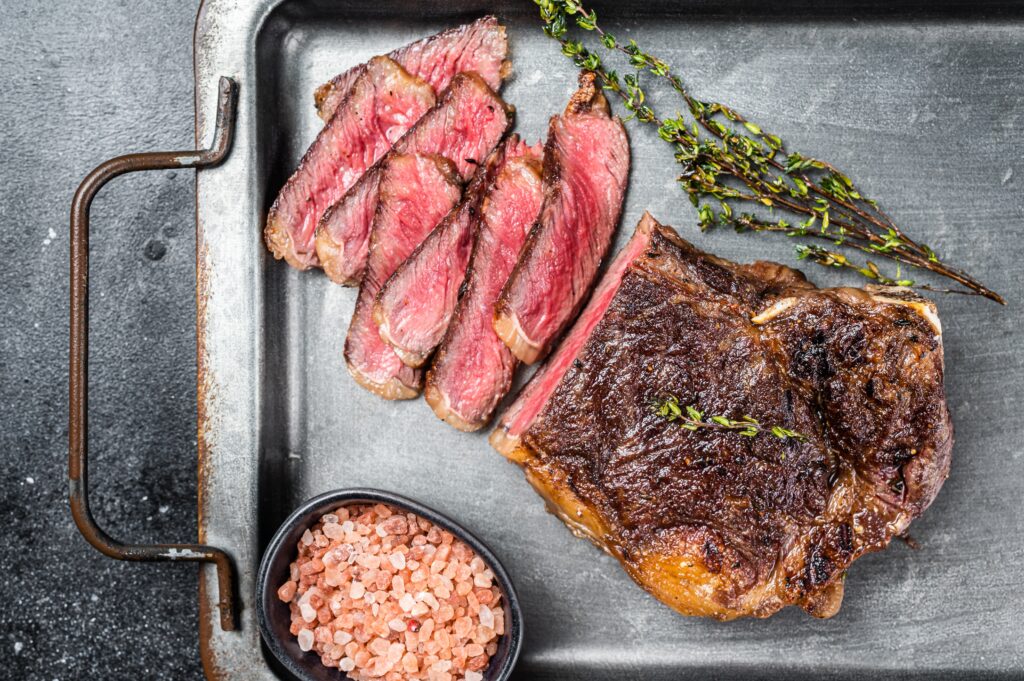
For a truly gourmet presentation, consider the reverse sear method. Slowly bring the steak up to temperature on a cooler zone of the grill, allowing it to absorb the aromatic wood smoke. Once it reaches an internal temperature just shy of rare, move it directly over the roaring flames. The intense heat of the wood-fired grill will create a dark, savory crust (the Maillard reaction) almost instantly, locking in juices and providing a textural contrast to the buttery interior of the meat.
Wagyu Beef
Wagyu is prized for its intense marbling, but it is also sensitive. Cooking with wood is arguably the best way to honor this expensive ingredient. The high heat of a wood fire renders the intramuscular fat quickly, basting the meat from the inside out.
Unlike a gas grill, which might flare up uncontrollably with the dripping fat, a well-managed wood-burning grill allows the fat to drip onto the wood logs below. This creates a flavored steam that rises back up into the meat, intensifying the “beefy” umami flavor. Serve this simply with sea salt to let the quality of the beef and the nuance of the smoke take center stage. For insights on high-end dish expectations, see this discussion on 5-star private chef menus.
Whole Spatchcock Chicken
Chicken is often viewed as a pedestrian menu item, but a whole spatchcock chicken cooked over oak or fruitwood is a revelation. By removing the backbone and flattening the bird, you ensure even cooking and maximize skin exposure to the heat.
On a commercial wood grill, you can achieve skin that is shatteringly crisp while keeping the meat incredibly moist. The constant airflow of a wood fire dries out the skin faster than a conventional oven, while the smoke penetrates the meat deeply. Plating a golden, smoke-kissed half-chicken with roasted root vegetables elevates a rustic concept into fine dining territory.
Wood-Fired Pizza
You cannot discuss a wood-fired grill without mentioning pizza. While traditional pizza ovens are great, grilling pizza directly on the grate offers a unique texture.
The intense, dry heat mimics a brick oven but adds the char of the grill grates. Dough placed on a wood-burning grill puffs up instantly, creating a crust that is crispy on the outside and chewy on the inside. Topping it with gourmet ingredients like prosciutto, arugula, and truffle oil turns a simple flatbread into a sophisticated appetizer or entrée. The key is high heat; the wood fire must be roaring to cook the dough before it dries out. Learn more about recreating fancy restaurant dishes here.
Elevate Your Flavors with Aztec Grills
The resurgence of wood-fired cooking is more than a trend; it is a return to the roots of gastronomy. It challenges chefs to engage with their food on a deeper level, managing fire and smoke to coax out flavors that modern technology cannot replicate. From the delicate sweetness of lobster to the rich umami of Wagyu beef, a wood-burning grill elevates every ingredient it touches.
To execute these dishes with precision and consistency during a busy dinner rush, you need equipment that can withstand the demands of a professional kitchen. This is where we come in. At Aztec Grill, we have been manufacturing high-quality commercial grills since 1982.
Our grills are designed specifically for the professional chef who demands control. Whether you are cooking with wood or charcoal, our units offer superior heat retention and airflow control, allowing you to switch from searing Wagyu to slow-roasting chicken with ease. A commercial wood grill from Aztec is not just a piece of equipment; it is the heart of the kitchen.
We understand that a wood-fired grill takes a beating. That is why our heavy-duty steel construction is built to last for decades, not just seasons. We provide the reliability you need so you can focus on what matters most: creating unforgettable culinary experiences for your guests.
By choosing the right wood and the right equipment, you transform your kitchen into a stage for culinary excellence. If you are ready to bring the primal elegance of wood-fired cooking to your restaurant, we are here to equip you for success.
Are you ready to revolutionize your menu with the power of wood fire? Visit Aztec Grill today to view our catalog of commercial grills and find the perfect fit for your kitchen.
Frequently Asked Questions
Q. What is the difference between a wood-fired grill and a charcoal grill?
A wood-fired grill typically uses logs of hardwood as the primary fuel source, providing a distinct smoke flavor and high heat. Charcoal grills use carbonized wood (briquettes or lump), which burns cleaner and more consistently but offers a milder smoke profile. However, high-quality commercial wood grills like ours can often accommodate both fuel types depending on the chef’s preference.
Q. Is it difficult to maintain a consistent temperature when cooking with wood?
Cooking with wood does require more attention than gas, as the fire must be fed and managed. However, with a well-designed commercial wood grill that features proper airflow controls and adjustable grates, a trained chef can maintain precise temperatures for searing, roasting, or smoking.
Q. What maintenance does a commercial wood grill require?
To ensure longevity and safety, a wood-burning grill requires daily ash removal and grate cleaning. Grease management is also critical to prevent unwanted flare-ups. Periodically, the firebox should be inspected for structural integrity, but heavy-duty grills are built to withstand years of intense heat with basic maintenance.
Q. Can I use any type of wood in a commercial wood grill?
No, you should strictly use seasoned hardwoods like oak, hickory, maple, or fruitwoods. Softwoods like pine or cedar contain high levels of sap and resin, which produce acrid, black smoke that will ruin the flavor of the food and can create dangerous creosote buildup in the exhaust system.
Q. Why is a wood-burning grill considered better for steak?
A wood-burning grill can achieve higher temperatures than many standard gas grills, allowing for a superior sear that locks in juices. Additionally, the combustion of wood releases aromatic compounds that adhere to the surface of the meat, adding a layer of savory complexity that gas grills simply cannot provide.