
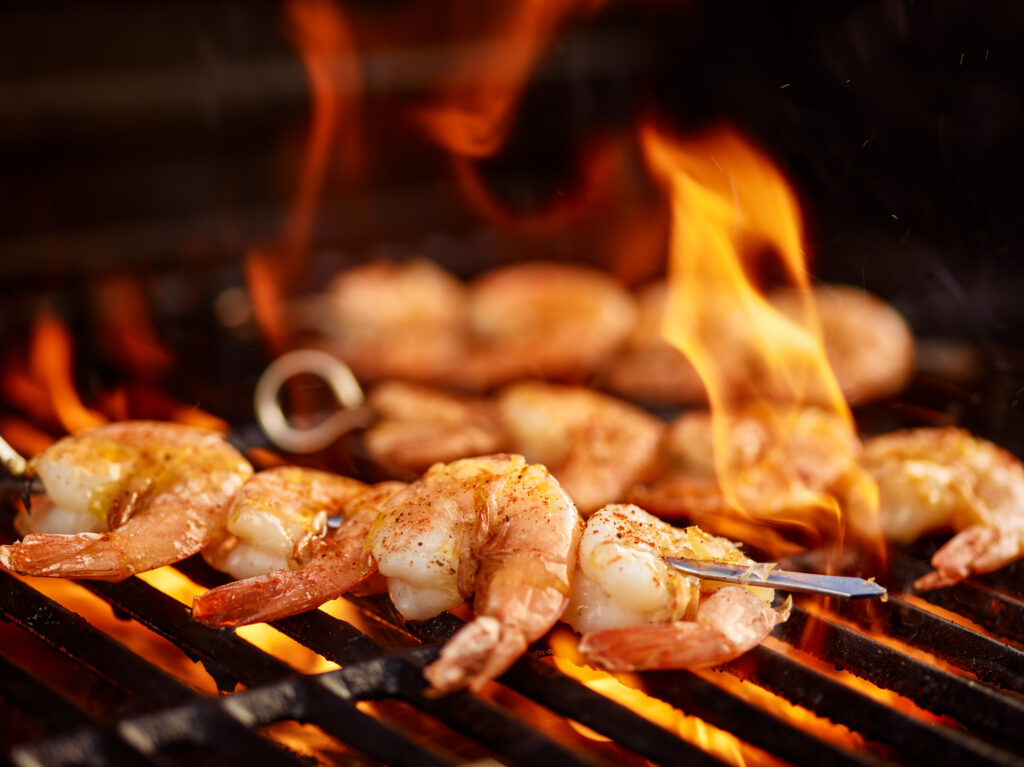
Behind the line of a busy establishment, you’ll understand how the commercial grill serves as a foundation for every dish. A high-quality commercial wood-fired grill isn’t just a heat source; it’s a precision instrument designed to handle the rigorous demands of high-volume service.
Today, let’s explore the techniques required to master the skewer, manage the fire itself, and guarantee every plate leaving the kitchen meets the highest standards of culinary excellence.
We will discuss the science of heat transfer, the logistics of skewer selection, and the critical timing necessary to avoid the pitfalls of overcooking. By the end of this exploration, you will have a clear roadmap for delivering consistent, flavorful, and perfectly textured results that keep patrons returning to your tables.
Grilling Over the Fire | Wood-Fired Grill Thermodynamics
The use of a wood-fired grill introduces a set of variables that are absent in gas-powered alternatives. When dealing with radiant heat, convective heat, and the conductive heat of the grates, all of which are influenced by the species of wood and the airflow within the firebox. In a professional setting, prioritize hardwoods — oak, hickory, mesquite — for their consistent, high-intensity heat. The smoke from these woods provides a depth of flavor that defines the modern wood-fired aesthetic. However, the intensity of these flames can be unforgiving for delicate proteins.
To master grilled shrimp on this platform, first, understand the temperature zones of the cooking surface. We recommend establishing a two-zone fire: One area should be dedicated to high-intensity searing, while a secondary, cooler zone allows for more controlled cooking or holding.
When shrimp are placed over the direct heat of a wood-burning grill, the sugars and proteins on the exterior undergo the Maillard reaction almost instantly. This creates the charred, savory crust that is the hallmark of professional wood-fire cooking. Because shrimp are small, with a high surface-area-to-volume ratio, they can reach an internal temperature of 145 degrees (63 C) very rapidly.
A wood grill requires the chef to be in constant communication with the fire. Unlike gas, where a knob provides a static temperature, wood requires active management. If the flames are too high, the shrimp will char on the outside while remaining raw or, more likely, will dry out before the center is set. By managing airflow, you can maintain a steady wood-burning grill that supports the delicate nature of seafood.
Skewer Strategy | Wood vs Metal on the Commercial Wood Grill
One of the most debated topics in the professional kitchen is the choice of skewer material. Both wood and metal have their place, but their respective impacts on the final product are distinct. With a commercial wood grill, the tool we choose for skewering can actually change cooking time itself.
Metal skewers are heat conductors. As the exterior of the grilled shrimp is heated by the wood fire, the metal skewer heats up from the inside. This creates a bidirectional cooking process where the shrimp is being heated from the grate and the internal core simultaneously.
This can be an advantage for larger shrimp, such as U10 or U12 sizes, since it helps the center reach the target temperature more quickly, reducing the time the exterior spends exposed to the drying heat of the fire. However, the risk of overcooking is higher — the heat continues to transfer even after the skewers are removed from the heat source. Use flat or double-pronged metal skewers to prevent the shrimp from spinning when being flipped.
On the other hand, wood skewers are insulators. They don’t conduct heat to the interior of the protein, so the cooking is entirely external. In a high-volume commercial grill environment, wooden skewers are often preferred for their cost-effectiveness and ease of plating. However, they require significant preparation.
Soak wooden and bamboo skewers in water for at least 30-60 minutes before service. If you neglect this step, the skewers will ignite or become brittle under the intense heat of a wood-fired grill.
For a more aesthetic and functional approach, some chefs use rosemary stalks or lemongrass as skewers to infuse additional aromatics, though these are typically reserved for specialized menu items.
Precision Timing | Prevent Overcooking on the Wood-Burning Grill
The most critical factor in successful seafood preparation is the duration of heat exposure. Find the ideal window for grilled shrimp on a professional wood-burning grill remarkably short. Depending on the size of the shrimp and the heat of the fire, the total cooking time usually falls between 4-6 minutes. We recommend a high-heat, short-duration approach, preserving the moisture within the meat.
When the skewers are placed on the grates, you should see an immediate reaction. The protein should begin to turn from translucent to opaque at the point of contact. Flipping the shrimp only once. This allows the first side to develop a robust char while the second side finishes the cooking process. A common visual cue is the shape: a “C” shape versus “O”. Shrimp that have curled into a gentle “C” are typically perfectly cooked. Once they tighten into a closed “O” shape, they are likely overcooked and rubbery.
Thermal management doesn’t end when your skewers leave the commercial wood grill — you must account for carryover cooking. Because the exterior of the shrimp is significantly hotter than the interior when you first remove it from the flame, the temperature continues to rise by several degrees as the heat equalizes.
In a professional kitchen, you pull the shrimp when they are just slightly underdone (about 140 F or 60 C) and let the residual heat bring them to the perfect finish during plating. This technique is a secret of top-tier chefs for maintaining that “snap” and succulence that defines high-quality seafood.
Avoiding Rubbery Textures | Mistakes on the wood-burning Grill
We have identified several recurring errors that can lead to subpar results when preparing seafood over an open flame.
The first is overcrowding the skewer. If shrimp are packed together too tightly, the heat can’t reach the sides where they’re touching. This results in uneven cooking, where tops and bottoms are charred but the middle remains raw. Leave a small gap between each piece of protein to verify that the hot air of the wood-fired grill can circulate freely and thus provide an even sear.
Another common mistake is failing to properly dry the shrimp before they hit the grill. Moisture is the enemy of the sear. If the shrimp are wet from a marinade or a wash, the heat of the fire is spent evaporating that water instead of browning the protein. This leads to steaming, rather than grilling. Patting the shrimp dry with paper towels and applying a thin coating of high-smoke-point oil. This oil helps conduct heat and creates a non-stick barrier between the protein and the grates.
Over-marinating is a third pitfall. Many chefs use acidic marinades, with lemon juice or vinegar, to flavor their grilled shrimp. While acid provides brightness, it also begins to “cook” the protein through a process called denaturation — the same principle behind ceviche. If the shrimp sit in an acidic marinade for more than 30 minutes, the texture becomes mushy and mealy. Marinating for no more than 15-20 minutes — or better yet, applying the acid as a glaze during the final minute of cooking on the wood-burning grill.
The Infrared Advantage | Maximizing Your Commercial Grill
A commercial grill’s design plays a vital role in the consistency of your final dish. In a busy restaurant, the grill must be able to recover temperature quickly. Ideally, you will prefer equipment with heavy-duty grates — made of cast iron or thick stainless steel — because of their high thermal mass. This provides the intense contact heat you need to get those perfect grill marks before the interior overcooks.
Airflow management in a commercial wood grill is what separates a professional tool from a backyard hobbyist’s setup. Proper venting helps us control the oxygen flow to the wood, which in turn controls the temperature of the fire. By adjusting the dampers, create a “low and slow” environment for thicker cuts of meat or a “hot and fast” environment for seafood.
With the layout for a commercial wood grill, we also look for ease of cleaning. Ash buildup can block vents, leading to uneven heating. A professional-grade unit will have a dedicated ash management system to let you clear debris without extinguishing the fire. It’s especially essential for back-to-back dinner services, where the grill might stay hot for eight hours or more. Keeping your equipment in peak condition guarantees the heat remains predictable: the most important factor in preventing overcooking.
Preparation and Brining | Setting the Stage for Quality
Before the first skewer ever hits your wood-fired grill, prep determines the success of the dish. A quick dry brine can work wonders for shrimp’s texture. Toss peeled, deveined shrimp with a small amount of salt and baking soda to alter the protein structure. The salt helps the shrimp retain moisture, while the baking soda raises the pH level of the surface, accelerating the Maillard reaction. This creates a beautiful brown crust in a shorter amount of time, further protecting the center from overcooking.
We also recommend considering “shell-on” versus “shell-off.” A more casual, hands-on dining experience comes from grilling shrimp with the shells on — which provides a protective barrier against the high heat of a wood-burning grill. Shells trap moisture and protect the delicate meat from direct flame contact, creating an incredibly juicy product. For more formal plating, shell-off is the standard — and the brining technique talked about above becomes even more critical.
Finally, you need the right wood for the flavor profile of a dish. For grilled shrimp, fruitwoods like apple or cherry provide a sweeter, milder smoke that doesn’t overwhelm the natural sweetness of the seafood. For a more robust flavor, oak is the reliable workhorse that provides a clean, classic “campfire” aroma. Matching the wood species to the seasoning of the shrimp creates a cohesive flavor profile that showcases the capabilities of a high-end commercial wood grill.
Aztec Wood-Fired Grills — The Secret of Shrimp Grilling Experts
Mastering the art of grilled shrimp on a professional scale proves a chef’s ability to balance fire, time, and technique. We’ve seen how an intense commercial wood-fired grill can help create extraordinary flavor, provided the protein is handled with the necessary precision.
By understanding the thermodynamics of a wood-burning grill, choosing the correct skewers for the wood-burning grill, and adhering to strict timing protocols, restaurant owners and cooks can elevate their seafood offerings to new heights. A high-quality commercial grill offers you the stability and control required to produce consistent results, even during the most demanding shifts. When you respect the delicacy of the ingredients and the power of the flame, you create a dining experience that is both primitive and sophisticated.
Are you looking to elevate your restaurant’s menu with the unmatched flavor of wood-fired cooking? Since 1982, Aztec Grill has been the industry leader in providing high-performance commercial grill solutions for kitchens across the USA. Our commercial wood grill units are engineered for durability, precision, and the perfect sear, allowing you to master everything from delicate seafood to robust steaks. Don’t settle for anything less than the best for your culinary team. Explore our full range of wood and charcoal-burning solutions and discover why top chefs trust Aztec Grills for their open-flame needs. Visit us at https://www.aztecgrill.com/ to view our products and find the perfect fit for your professional kitchen today.