
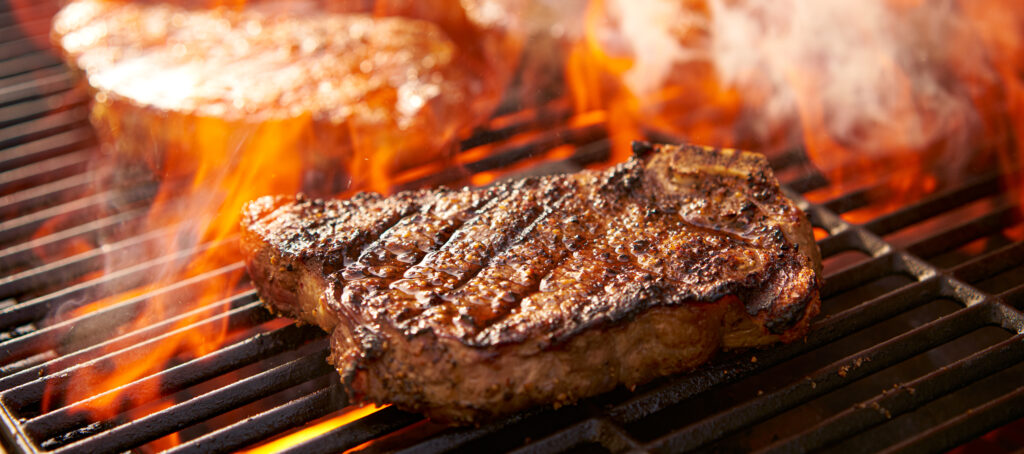
There is a primal connection between fire and meat that sits at the very heart of the culinary experience. For those of us in the restaurant industry, harnessing that relationship is not just a skill; it is an obsession. We understand that serving a perfectly grilled steak is often the benchmark by which a dining establishment is judged. It requires more than just high heat and a piece of beef. It demands a deep understanding of thermodynamics, flavor profiles, and the specific nuances of your equipment. When using a commercial wood grill, the potential for flavor elevation is unmatched, but so is the need for precision.
At Aztec Grill, we believe that the best results come from respecting the tradition of wood fire while utilizing modern techniques. Whether you are running a bustling steakhouse or a boutique bistro, the principles of how to grill a steak remain consistent, yet the variables change with every log added to the fire. We want to guide you through the process, from selecting the cut to the final service, helping you deliver a product that keeps patrons returning. Let us explore the methods that transform a raw ingredient into a masterpiece of texture and taste.
Choose The Right Cut of Steak
The journey to a perfect grilled steak begins long before the fire is lit. Selecting the right cut is paramount, as different muscles react differently to the intense dry heat of a wood-fired grill. For a commercial kitchen, consistency and quality are key. We recommend focusing on cuts with significant intramuscular fat, or marbling. This fat renders down during the cooking process, basting the meat from the inside and providing the juiciness that defines a great steak.
The Ribeye is often the king of the grill. Its heavy marbling makes it forgiving and incredibly flavorful when subjected to the high heat of a wood-burning grill. The fat drips onto the wood or coals, creating aromatic smoke that rises back up to flavor the meat. Another excellent option is the New York Strip, which offers a tighter texture and intense beef flavor. For those seeking tenderness above all else, the Filet Mignon is the standard, though it benefits greatly from the smoky enhancement of cooking with wood since it lacks the high fat content of other cuts.
When sourcing for a restaurant, we also look at the Porterhouse or T-Bone. These cuts offer the best of both worlds, with the strip on one side and the tenderloin on the other. However, they can be tricky to cook evenly. With an Aztec Grill, their unique patented air-flow system allows the chef to manage the heat zones effectively, preventing the tenderloin from overcooking while the strip reaches perfection.
Preparing Your Steak Before Grilling
Once the cut is selected, mastering how to prepare steak for grilling is the next critical step. We cannot overstate the importance of temperature management before the meat even touches the heat. A cold steak taken directly from the walk-in refrigerator to a hot grill will cook unevenly. The exterior will burn before the center reaches the desired temperature. We always recommend tempering the steak, allowing it to sit at room temperature for at least 30 to 40 minutes. This simple step promotes even cooking and better texture.
Moisture is the enemy of a good sear. If the surface of the steak is wet, the heat energy must first evaporate that water before the Maillard reaction — the browning process that creates flavor — can occur. We pat every steak dry with paper towels before seasoning. This technique is a fundamental part of how to prepare steak for grilling in a professional setting. It creates a dry surface that browns rapidly and evenly, developing that crust customers crave.
Seasoning is another area where technique matters. A common query from line cooks is, how do you season a steak for grilling for the best crust? We advocate for simplicity and timing. Generous amounts of Kosher salt should be applied. If time allows, salting the steaks 24 hours in advance and leaving them uncovered on a rack in the cooler acts as a dry brine. This draws moisture out, dissolves the salt, and then reabsorbs the savory liquid back into the muscle fibers. If you cannot wait that long, salt immediately before grilling. Avoid salting 10 minutes prior, as this just draws moisture to the surface without time to reabsorb, leading to steam rather than a sear.
How do you season a steak for grilling if you want more than just salt? While salt is essential, freshly cracked black pepper is a classic companion. However, pepper can burn under the intense heat of a commercial wood grill. Some chefs prefer to add pepper after the sear or use a coarse grind that withstands the heat better. We also see successful kitchens using compound butters or herb brushes during the resting phase, rather than complex rubs that might scorch over an open flame.
Over the Fire Grilling Techniques
The actual cooking process on a wood-fired grill is a dance of heat and timing. Unlike gas, a wood fire is a living thing. It fluctuates and breathes. We use a two-zone fire setup whenever possible. This involves banking the coals or wood to one side of the grill to create a high-heat zone for searing and a lower-heat zone for finishing. This gives the chef total control.
When we talk about how to grill a steak, the sear is usually the first priority. Place the prepared steak directly over the hottest part of the fire. On a commercial wood grill, temperatures can exceed 700 degrees Fahrenheit. You want to hear an aggressive sizzle. This is the sound of proteins and sugars transforming. We leave the steak undisturbed for a minute or two to establish the crust. Constantly moving the meat prevents the formation of those desirable grill marks and the texturally pleasing crust.
Determining how long do you grill steak depends on thickness and desired doneness. For a standard 1.5-inch ribeye, we might sear for 2-3 minutes per side over direct heat to achieve a rare to medium-rare center. If the steak is thicker, or if the customer requests medium-well, we move the steak to the cooler side of the grill after the initial sear. This indirect heat allows the internal temperature to rise gently without carbonizing the exterior. It is a technique that mimics roasting and is essential for thick cuts like a Tomahawk ribeye.
Temperature checking is vital. We rely on instant-read thermometers rather than the “touch test,” which can be unreliable. For a medium-rare finish, we pull the steak at an internal temperature of 130 degrees Fahrenheit, knowing it will rise another 5 degrees while resting. How long do you grill steak is a question with a variable answer, but temperature is an absolute truth.
Common Steak Grilling Mistakes
Even seasoned professionals can fall victim to errors that compromise the quality of a grilled steak. One of the most frequent mistakes we see is overcrowding the grill. When too many cold steaks are placed on the grates at once, they act as a heat sink, dropping the ambient temperature of the grill significantly. This can cause the steaks to steam in their own juices rather than sear. We advise leaving ample space between cuts to maintain airflow and high heat.
Another error is neglecting the grill grates. A dirty grill imparts acrid, burnt flavors to fresh meat. Clean the grates on a commercial wood grill before, during, and after service. A clean grate also reduces the likelihood of sticking. When learning how to grill a steak, one usually learns the hard way that a steak stuck to the grill will tear, losing delicious juices and ruining the presentation.
Cutting into the steak too soon is perhaps the most tragic mistake. We understand the rush of service, but resting the meat is non-negotiable. When a steak cooks, the muscle fibers contract and squeeze juices to the center. If you slice it immediately, those juices run out onto the cutting board, leaving the meat dry. We rest our steaks for at least 5 to 10 minutes, allowing the fibers to relax and the juices to redistribute throughout the cut. This patience is the difference between a good grilled steak and a great one.
Cooking With a Wood-Fired Grill
There is a distinct romance and utility to cooking with wood. A commercial wood grill offers a flavor profile that gas simply cannot replicate. The combustion of hardwood releases aromatic compounds like syringol and guaiacol, which coat the meat and provide that nostalgic, smoky taste. We find that hardwoods like oak, hickory, and mesquite are superior for steak. They burn hot and clean, providing the BTUs necessary for a steakhouse-quality sear.
Using a wood-burning grill requires a chef to be attentive. The heat source is not set-and-forget. We constantly monitor the flame size and the coal bed. A mature coal bed is often better for cooking than active, leaping flames, which can cause soot deposits. The radiant heat from glowing wood coals penetrates the meat deeply, cooking it evenly while the smoke kisses the exterior. This is the essence of cooking with wood—it is an ingredient, not just a fuel.
When using a commercial wood grill, we also take advantage of the varying heat zones created by the natural arrangement of the fire. We can sear a steak over fresh logs to catch that intense wood flame flavor, then move it over a bed of dying coals to finish. This versatility allows us to manipulate the flavor profile in ways a gas dial never could. The wood-fired grill becomes an extension of the chef’s hand.
We also appreciate the theater that a wood-burning grill adds to a restaurant. An open kitchen featuring a live fire creates an atmosphere of warmth and authenticity. Customers love to see the flames and smell the wood smoke. It signals to them that we care about traditional methods and high-quality preparation. It elevates the perceived value of the grilled steak before it even arrives at the table.
Advanced Techniques for the Pro
Beyond the basics, there are advanced methods we employ to refine the final product. Reverse searing is a technique gaining popularity in commercial kitchens. It involves cooking the steak at a very low temperature first—perhaps in a low oven or on the coolest part of the wood-fired grill—until it reaches about 115 degrees. Then, we finish it with a blazing hot sear over the direct flames. This results in edge-to-edge pinkness with a minimal gray band and a phenomenal crust.
Basting is another technique we love. While the steak is finishing on the grill, we might brush it with beef tallow or a high-quality olive oil infused with garlic and rosemary. On a commercial wood grill, these fats drip down and flare up, creating a brief but intense burst of flavored smoke that envelops the steak. This adds layers of complexity to the dish.
Finally, we pay attention to carryover cooking. We know that a large cut like a Porterhouse will continue to cook significantly after being removed from the heat. We pull these steaks well before they reach the target temperature. Mastering this variable is part of learning how long do you grill steak for consistent service. It is an intuition built on experience and repetition.
Aztec Grills — Your Partner in Perfection
Grilling the perfect steak on a commercial wood grill is a pursuit of excellence that combines primal elements with culinary science. It starts with sourcing the best beef and understanding how to prepare steak for grilling to maximize its potential. It requires mastering the fire, knowing how do you season a steak for grilling effectively, and managing the intense heat of the wood. We know that the effort put into managing a wood fire pays off in the depth of flavor and the quality of the crust.
We encourage you to embrace the challenges and rewards of cooking with wood. It demands attention and skill, but the result is a product that stands apart in a crowded marketplace. By avoiding common mistakes and utilizing the unique properties of a wood-burning grill, we can create dining experiences that are truly memorable. Let the fire be your tool, and the steak your canvas.
Ready to elevate your restaurant’s grilling game with the power of wood fire? Contact Aztec Grill today to learn more about our premium commercial grills.
Frequently Asked Questions
Q. What is the best wood to use for grilling steak?
Hardwoods such as oak, hickory, and mesquite are ideal for grilling steak. They burn hot and slow, creating a long-lasting coal bed and imparting a pleasant, smoky flavor that complements beef without overpowering it. Avoid softwoods like pine, which burn too fast and can produce a resinous, acrid taste.
Q. How do I prevent flare-ups when using a commercial wood grill?
Flare-ups are caused by rendering fat hitting the hot coals. To manage them, leave a “safe zone” on your grill with no direct fire underneath. If a flare-up persists, move the grilled steak to this cooler zone until the flames subside. putting the lid down (if equipped) can also starve the fire of oxygen effectively.
Q. How do you determine when a steak is done without cutting into it?
The most accurate method is using a high-quality digital instant-read thermometer. Insert the probe into the thickest part of the steak. For medium-rare, aim for an internal temperature of 130°F to 135°F. Relying on the “finger test” or timing alone can be inconsistent due to variations in steak thickness and grill temperature.