
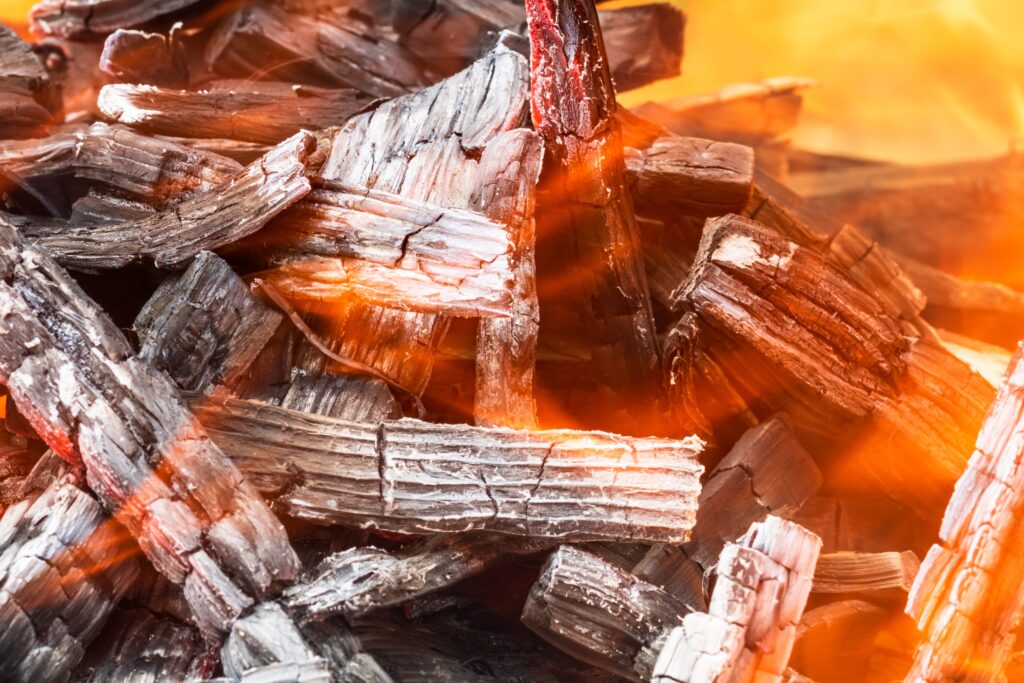
In the world of professional culinary arts, few methods of preparation evoke as much passion and primal satisfaction as live fire. For centuries, cooking with wood was a necessity. Today, it is a luxury — a statement of quality and craftsmanship.
At Aztec Grill, we have spent decades observing the evolution of the commercial kitchen. Since 1982, we have seen trends come and go, but the demand for the authentic, smoky flavor profile produced by a wood-burning grill has remained constant.
For a restaurant owner or head chef, integrating a wood-fired station into the line is not merely an operational decision; it is a culinary philosophy. It signals to the guest that the kitchen values patience, skill, and high-quality ingredients. However, managing a live fire during a busy dinner service requires a distinct skill set compared to operating gas ranges or electric ovens. It requires an understanding of fuel, airflow, thermodynamics, and timing.
In this guide, let’s examine the nuances of operating a wood-burning grill in a commercial setting. We will explore the science behind the flavor, the techniques required to control the flame, and the maintenance protocols necessary to protect your investment.
What Makes Wood-Burning Grills Unique
The primary distinction of a wood-burning grill lies in the complexity of the heat source. Unlike gas, which provides a consistent but sterile heat, wood is an organic fuel that contributes flavor compounds to the food. When wood burns, it releases lignin and cellulose, which break down into aromatic compounds. These compounds interact with the food, creating the distinct “smoky” flavor that cannot be replicated by liquid smoke or charcoal alone.
Furthermore, the heat transfer on a wood-burning grill is different. It offers a combination of radiant heat from the coals and convection heat from the circulating hot air. This allows for a superior sear — the Maillard reaction — while simultaneously roasting the ingredient. The result is a texture that is crisp on the outside and tender on the inside, with a depth of flavor that resonates with diners.
From a business perspective, the visual appeal of a wood-burning grill is undeniable. In open-concept kitchens, the sight of flickering flames and the smell of hardwood smoke creates an immersive dining experience. It adds a theatrical element to the restaurant, justifying higher price points and driving customer loyalty.
The Chemistry of Flavor
When we discuss cooking with wood, we are discussing chemistry. As wood combusts, it releases gases including nitrogen oxides and volatile organic compounds (VOCs). These mix with the moisture on the surface of the meat or vegetables. The specific type of wood used dictates the flavor profile. For instance, fruitwoods like apple or cherry produce a mild, sweet smoke, while hickory and mesquite offer a robust, pungent punch. Understanding these chemical interactions allows a chef to pair fuel with food just as one would pair wine with a dish.
Pro Tips for Mastering Wood-Fired Cooking
Mastering a commercial grill for restaurants that utilizes wood fuel requires patience and practice. It is not as simple as turning a dial. Here are essential strategies for maintaining consistency and quality during service.
1. Wood Selection and Moisture Content
The quality of your fire depends entirely on the quality of your fuel. For a wood-burning grill, you must use hardwoods. Softwoods like pine or fir contain high levels of sap and resin, which produce acrid, bitter smoke and can be dangerous due to creosote buildup.
Ideally, you should use kiln-dried or well-seasoned hardwoods with a moisture content between 15% and 20%. If the wood is too wet (green), energy is wasted evaporating the water, resulting in a cooler fire and heavy, white smoke that tastes of soot. If the wood is too dry, it burns too fast, increasing your fuel costs and making temperature regulation difficult.
- Oak: The gold standard for heat and neutral smoke.
- Hickory: High heat, strong bacon-like flavor.
- Fruitwoods: Lower heat, excellent for finishing or lighter proteins like fish.
2. The Three-Zone Fire Architecture
On a commercial grill for restaurants, you rarely want a uniform temperature across the entire surface. We recommend establishing three distinct zones:
- The Sear Zone: This is where the coal bed is thickest and flames are active. Use this for the initial sear to lock in texture.
- The Roast Zone: Moderate heat with a thinner coal bed. This is for bringing proteins up to internal temperature without burning the exterior.
- The Resting/Warming Zone: An area with no direct coals underneath, using indirect ambient heat to keep food warm or slowly render fats.
3. Managing the “Clean Burn”
One of the biggest mistakes in cooking with wood is putting food on the grill when the smoke is thick and white. This indicates incomplete combustion. You want “thin blue smoke”—which is almost invisible. This creates the sweet, pleasant smoke flavor. To achieve this, maintain good airflow and add logs gradually rather than smothering the fire with too much fuel at once.
Step-by-Step | Starting and Maintaining the Fire
Operating a wood-burning grill effectively starts hours before the first ticket arrives. Here is the standard procedure for a successful service.
Step 1: Building the Base
Start with a clean ash pit to facilitate airflow. Build a “log cabin” or pyramid structure using your kindling and smaller splits of hardwood. If your unit has a gas assist starter, engage it now. If not, use natural fire starters (wax or tumbleweeds) — never use lighter fluid in a professional kitchen, as the chemical taste will transfer to the food.
Step 2: Establishing the Coal Bed
Allow the wood to burn down. You are not cooking over the flames; you are cooking over the coals. The goal is to create a bed of glowing embers. This process usually takes 45 to 60 minutes. As the wood breaks down, use a fire poker or hoe to spread the coals evenly across your intended cooking zones.
Step 3: Maintaining Heat During Service
Once service begins, you must maintain the coal bed without disrupting the temperature drastically. Add one or two split logs every 20 to 30 minutes. Pre-heating these logs on the side of the grill (if space permits) can help them ignite faster and reduce the production of heavy smoke.
Step 4: Controlling Temperature
On a gas grill, temperature is adjusted by turning a control knob. With a wood-burning grill, temperature is managed through a precision airflow system that regulates oxygen flow to the fire. This allows for clean, consistent heat distribution across the cooking surface. By maximizing fuel combustion efficiency, the airflow system delivers steady cooking temperatures while requiring less fuel than many traditional commercial grills.
Advanced Cooking Techniques
To truly leverage the power of a wood-burning grill, we must look beyond basic grilling.
Vegetable Charring
Vegetables benefit immensely from wood fire. The high heat caramelizes natural sugars rapidly. Try placing whole bell peppers, eggplants, or onions directly on the coals (caveman style) to blister the skin, then peel them for a smoky puree or salsa. The intense heat transforms the texture and flavor profile in seconds.
Smoke-Roasting
For larger cuts like whole chickens, rib roasts, or pork shoulders, utilize the ambient heat of the grill. By tenting with a metal bowl, you turn the grill into a wood-fired oven. This technique allows the smoke to penetrate deep into the meat fibers while cooking gently.
The Reverse Sear
For thick steaks (over 1.5 inches), the reverse sear is superior when cooking with wood. Start the meat in the cool zone or the “roasting” zone until it reaches about 10-15 degrees below the target internal temperature. Then, move it directly over the hottest coals to crust the exterior. This maximizes the smoke absorption and prevents the “bullseye” effect of overcooked gray meat surrounding the pink center.
Cleaning and Maintaining Your Wood-Burning Grill
A commercial grill for restaurants is a significant investment. Proper maintenance guarantees longevity and safety. Wood ash is acidic and can corrode metal if left to accumulate, especially when mixed with grease.
Daily Maintenance
- Burn Off: At the end of service, add a small amount of wood to create high heat and burn off remaining food residue on the grates.
- Scrub: Use a high-quality grill brush to remove carbon buildup.
- Ash Removal: Once the fire is completely extinguished and cool (usually the next morning), remove the ash. Do not allow ash to block the air intake vents, as this will choke your fire during the next service.
- Grease Management: Empty the grease trays daily. A mixture of wood sparks and accumulated grease is a major fire hazard in a commercial kitchen.
Periodic Deep Cleaning
Every month, inspect the firebox for signs of fatigue or warping. If your grill uses firebricks, inspect them for cracks and replace them as necessary to maintain thermal mass.
Choosing the Right Wood-Burning Grill
Selecting the correct commercial grill for restaurants depends on your menu, volume, and kitchen footprint. Not all grills are created equal, and the stresses of a professional environment require robust construction.
1. Construction Quality
Look for heavy-gauge steel. A wood-burning grill reaches temperatures far exceeding those of gas grills. Thin metal will warp, causing the firebox to deteriorate. At Aztec Grill, we prioritize durability because we know the equipment must survive thousands of heat cycles.
2. Fuel Versatility
Flexibility is key. A unit that can handle both wood and charcoal gives the chef options. Charcoal offers a consistent, long-burning heat source, while wood provides the flavor spike. The ability to mix both allows for cost management and precise flavor control.
3. Ventilation Requirements
Installing a wood-burning grill requires specific ventilation considerations. Wood smoke contains particulate matter that standard hoods may not handle efficiently. You must consult with local codes regarding spark arrestors and makeup air systems. Proper ventilation keeps the kitchen environment safe and comfortable for the staff.
Ready to Elevate Your Kitchen? Aztec Grills Can Help
Embracing the wood-burning grill is a commitment to excellence. It reconnects the chef with the most elemental form of cooking, stripping away the automation and leaving only the heat, the ingredient, and the skill of the operator. The flavors achieved through cooking with wood—the deep char, the whisper of smoke, the caramelized crust—create memories for guests that bring them back time and again.
For the restaurant owner, the wood grill is a differentiator in a crowded market. It demonstrates a refusal to cut corners. Whether you are searing a dry-aged ribeye, blistering seasonal vegetables, or slow-roasting a whole fish, the fire adds a dimension of soul to the food.
At Aztec Grill, we are proud to support the culinary community with equipment built to withstand the rigors of the hottest kitchens. We understand that your grill is the heart of your operation. By following these techniques for fire management, temperature control, and maintenance, you can harness the power of the flame to elevate your menu to new heights.
If you are ready to bring the power of live fire to your restaurant, we are here to help. From selecting the perfect size to understanding the installation requirements, our team can guide you. Contact Aztec Grill today to discuss how our commercial grills can transform your culinary output.