
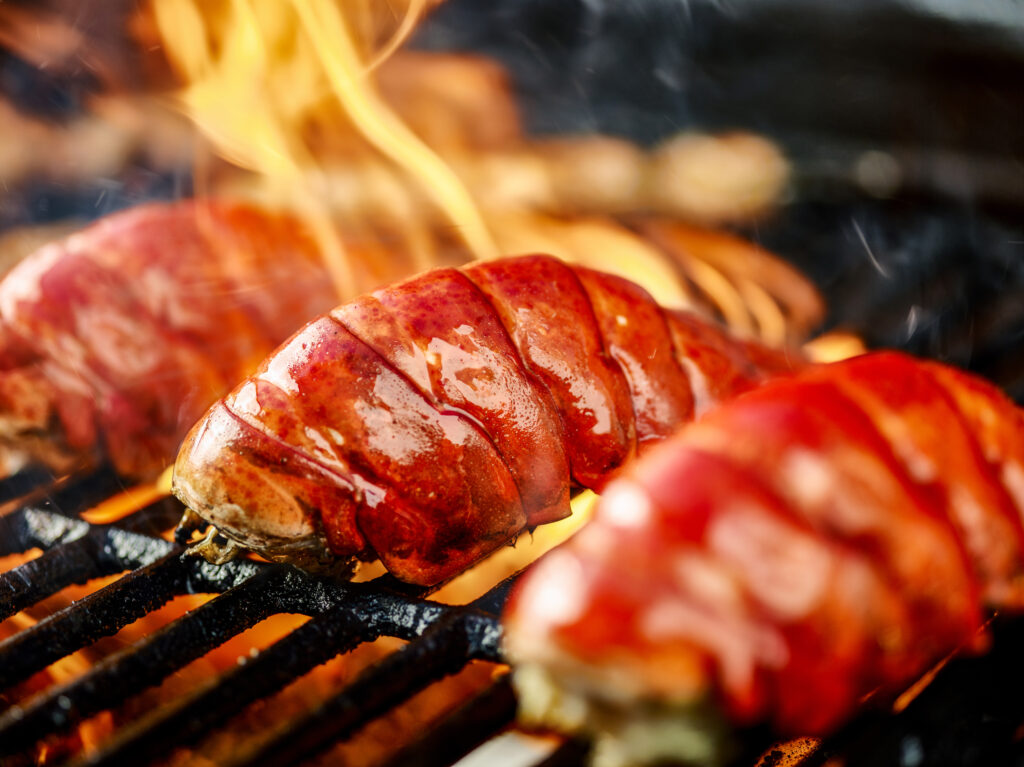
There is something primal and undeniably sophisticated about the scent of seafood hitting a hot grate. While steaming and boiling have their place in culinary history, nothing elevates a menu quite like the smoky, caramelized perfection of a Grilled lobster tail. For chefs and restaurant owners across the USA, mastering this dish is not just about cooking a crustacean; it is about creating an experience that diners cannot replicate at home.
When you move from the stovetop to the open flame, you introduce a layer of complexity—a dance between the delicate sweetness of the meat and the rugged char of the wood. This is the art of Cooking with wood. It requires precision, timing, and the right equipment.
Let’s explore how to turn a simple ingredient into a show-stopping centerpiece, ensuring that every tail leaving your kitchen is tender, juicy, and infused with the unmistakable flavor of a wood-fired grill.
Types of Lobster Tails
Before we light the fire, we must understand the ingredients. Not all lobsters are created equal, and knowing the difference between warm and cold water varieties is crucial for your Grilled lobster tail recipe.
Cold Water Lobster Tails
Typically harvested from the North Atlantic (think Maine or Canada) or the cold waters off Australia and New Zealand, these are widely considered the gold standard for high-end dining. Cold water lobsters grow more slowly, which results in meat that is firmer, sweeter, and cleaner in taste. They are less likely to become mushy during the high-heat process of grilling. If you are looking for that classic, steakhouse-quality “pop” when you bite into the meat, cold water tails are your best bet.
Warm Water Lobster Tails
Found in the Caribbean, Florida, and Latin America, these are often referred to as “spiny lobsters.” You can easily identify them by the spots on their shells and the lack of large front claws. While often more affordable, warm water tails have a distinct flavor profile—more savory, sometimes fishier, and softer in texture. When grilling lobster of this variety, chefs must be vigilant. Because the meat is softer, it can easily overcook or fall apart if handled roughly on the grates. However, their savory notes pair exceptionally well with bold, spicy marinades that might overpower a delicate Maine tail.
How To Grill Lobster Tails
The secret to a perfect Grilled lobster tail lies in the preparation and the heat source. Unlike a gas grill, which provides a sterile heat, a wood-burning grill imparts aromatic compounds — lignin and cellulose break down into smoke that seasons the meat as it cooks.
1. Thawing and Prep
Never grill a frozen tail. If you are using frozen inventory, ensure they are fully thawed in the refrigerator for at least 24 hours. Grilling a frozen tail will result in a tough, rubbery exterior and a raw center.
2. The Butterfly Technique
Presentation is everything. We recommend the “piggyback” method:
- Using sharp kitchen shears, cut down the center of the top shell, stopping just before the tail fin.
- Gently pry the shell open with your thumbs.
- Lift the meat up and out of the shell, keeping it attached at the base of the tail.
- Rest the meat on top of the shell. This exposes the meat to the smoke of the wood-fired grill while the shell acts as a protective roasting pan.
3. Seasoning
Lobster is naturally rich, so you don’t need to overcomplicate it. A brush of clarified butter, a squeeze of fresh lemon, and a dusting of paprika and garlic powder are often enough. The goal is to complement, not mask, the smoke flavor.
4. The Fire
Establish a medium-high heat zone on your commercial wood grill. You want a bed of glowing embers, not raging flames, which can cause flare-ups and singe the delicate meat. Wood selection matters here; fruitwoods like apple or cherry offer a mild sweetness, while oak provides a robust, reliable heat.
5. The Cook
Place the tails flesh-side down on the grates for 2-3 minutes. This sears the meat and creates those desirable grill marks. Then, flip the tails so they are shell-side down. Baste generously with your butter mixture. The shell will protect the meat as it finishes cooking. The tail is done when the meat turns opaque and reaches an internal temperature of 135°F to 140°F. Do not overcook—there is a fine line between tender and rubbery.
Pairing Sides with Grilled Lobster Tails
A Grilled lobster tail is a rich, decadent protein, so your sides should offer balance. You want acid and crunch to cut through the buttery richness.
- Grilled Asparagus: Since you already have the wood-burning grill fired up, toss some asparagus in olive oil and sea salt. The slight char and natural bitterness of the asparagus contrast beautifully with the sweet lobster meat.
- Citrus Risotto: A creamy risotto finished with lemon zest mirrors the buttery texture of the lobster while the citrus cleanses the palate.
- Roasted Fingerling Potatoes: Instead of a heavy baked potato, try herb-roasted fingerlings. They provide a starch component without weighing down the plate.
- Wine Pairing: You cannot go wrong with a buttery Chardonnay to match the dish’s richness, or a crisp Sauvignon Blanc to highlight the smoky notes from the grill.
Master Grilled Lobster With Aztec Grill
Ultimately, the quality of your dish is capped by the quality of your equipment. In a commercial setting, consistency is king. You need a grill that can maintain high temperatures for hours, withstand the rigors of a busy service, and deliver that authentic wood-fired flavor profile every single time.
This is where we come in. At Aztec Grill, we have been manufacturing the industry standard for commercial wood grill units since 1982. Our grills are designed with a patented air-flow system that circulates moist, hot air. This is a game-changer for seafood. Unlike standard grills that dry out food, the Aztec design helps retain the natural moisture of the lobster, ensuring a succulent result even under high heat.
Our units are built with heavy-duty stainless steel and lined with heat-refracting firebricks, allowing for efficient fuel consumption — whether you are using charcoal or wood logs. When you cook on an Aztec, you aren’t just grilling; you are utilizing a precision instrument trusted by top chefs nationwide to deliver the best Grilled lobster tail possible.
Are you ready to elevate your menu with the unmistakable flavor of wood-fired cooking? Don’t let your equipment hold back your culinary potential. Contact Aztec Grill today to learn how our commercial wood and charcoal grills can transform your kitchen and delight your customers.
Frequently Asked Questions
Q. How long does it take to grill lobster tails?
Generally, a 6-8 ounce lobster tail will take about 8 to 10 minutes total to grill. We recommend searing the flesh side down for 2-3 minutes to get grill marks, then flipping to shell-side down for another 5-7 minutes. Always cook to an internal temperature of 140°F rather than relying solely on time.
Q. Should I boil lobster tails before grilling them?
No, you should not boil them first. Par-boiling can easily lead to overcooking once the tails hit the grill. Grilling lobster from raw (but fully thawed) allows the meat to absorb the smoky flavor of the wood fire and results in a better texture. The high heat of a wood-fired grill is sufficient to cook the meat thoroughly.
Q. What is the best wood for grilling lobster?
For delicate seafood like lobster, we recommend using milder hardwoods. Fruitwoods like apple, cherry, or alder are excellent choices as they impart a sweet, subtle smoke that doesn’t overpower the lobster’s natural flavor. Oak is also a good neutral option for a consistent heat source on a wood-burning grill.