
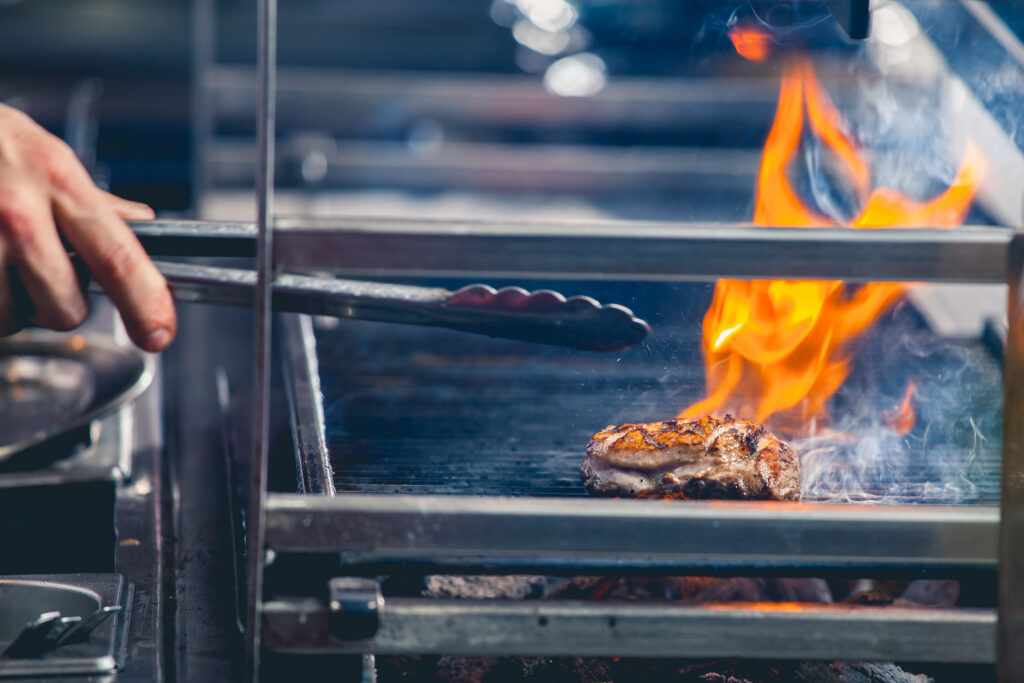
There’s a continuing and profound shift in the culinary world toward ancestral techniques — with the wood-fired grill sitting right at the center. For restaurant owners and executive chefs, the choice of equipment isn’t just about logistics, but about the foundational elements of the flavor profile they want to present to their guests.
While gas and electric options offer convenience, they often lack the soul and sensory depth that only a wood-burning grill can provide. Since 1982, the industry has looked toward high-caliber equipment to bridge the gap between traditional fire-starting and modern commercial kitchen efficiency. Let’s explore how integrating a commercial grill fueled by solid combustibles can redefine a menu and elevate the standard of American dining.
The resurgence of live-fire cooking is not merely a trend; it is a return to the roots of gastronomy. Thousands of chefs across the USA are rediscovering that the heat generated by wood is fundamentally different from that of a blue gas flame. A commercial wood grill offers a dry, intense radiant heat that creates a superior sear while simultaneously infusing the proteins with aromatic smoke. According to recent industry insights, the benefits of these units extend beyond the plate, creating a theatrical atmosphere in open-concept commercial kitchens that draws patrons in with the scent of burning oak or hickory.
How Wood-Fired Grills Enhance Flavor | The Wood-Fired Grill Advantage
The primary reason a chef opts for a wood-fired grill is the unparalleled complexity of flavor it imparts. Unlike gas, which is odorless and flavor-neutral, wood contains organic compounds like lignin and cellulose. When these break down under high temperatures, they release vanillin and guaiacol, which translate to sweet, smoky, and savory notes on the food. This chemical process is why wood-fired food inherently tastes better than its counterparts cooked on synthetic heat sources.
Furthermore, a wood-burning grill allows for “flavor layering.” By choosing different types of wood—such as mesquite for boldness or applewood for sweetness—a kitchen can customize the taste of its signature dishes. In a high-volume commercial grill, the ability to maintain consistent, high temperatures is vital for the Maillard reaction. This reaction is the chemical dance between amino acids and reducing sugars that gives grilled meats their brown, delicious crust. When a chef utilizes a commercial wood grill, they are effectively using the fuel as an ingredient, ensuring that every grilled shrimp or steak carries the signature of the fire.
Best Foods Cooked Over The Fire | From Prime Rib to Grilled Shrimp
While almost any ingredient benefits from a kiss of flame, certain foods are transformed into masterpieces when prepared on a wood-fired grill. The high-intensity heat is particularly effective for seafood.
For example, grilled shrimp takes on a completely different character when exposed to the lick of a real flame. The shells char slightly, protecting the delicate meat inside while absorbing the smoky essence, resulting in a grilled shrimp dish that is tender, juicy, and aromatically complex.
Beyond seafood, a wood-burning grill is the gold standard for heavy proteins. Thick-cut ribeyes and pork chops benefit from the localized hot spots and the variable heat zones that a skilled pitmaster can create. Even vegetables like artichokes, asparagus, and heirloom carrots find a new life on a commercial grill. The rapid evaporation of surface moisture on the vegetables concentrates their natural sugars, while the smoke adds a rustic depth that a convection oven simply cannot replicate.
As live-fire cooking makes a significant comeback in the national dining scene, more establishments are finding that their most popular menu items are those touched by the commercial wood grill.
Mastering Cooking Over The Fire | Tips for the Commercial Grill
Operating a commercial wood grill requires a blend of intuition and technical skill. Unlike a dial on a gas range, fire is a living element that must be managed. Let’s look at the essential steps for mastering this art form in a professional setting.
- Preheating and Coal Management | A wood-fired grill must be started well in advance of service. The goal is to create a deep bed of glowing red coals rather than active, tall flames. This provides a steady, even heat source that is easier to control.
- Temperature Zoning | They should arrange the coals to create various heat zones. A high-heat zone is necessary for searing grilled shrimp or steaks, while a cooler zone allows for slower cooking or resting meats.
- Airflow Control | The key to a successful wood-burning grill is oxygen. Managing the vents on a commercial grill allows the chef to spike the temperature for a rush or dampen it down during slower periods.
- Cleaning the Grates | To ensure the best flavor, the grates of a commercial wood grill should be cleaned while hot. This prevents carbon buildup from tainting the fresh flavor of the wood smoke.
By following these professional standards, a kitchen can maintain the high output required in a busy restaurant while ensuring that the quality of every grilled shrimp remains consistent throughout the night.
Embracing the Flame
The difference made by a wood-fired grill is undeniable. It offers a sensory experience that encompasses sight, smell, and taste, creating a lasting impression on every guest. From the moment the wood-burning grill is lit in the morning to the final plate of grilled shrimp sent out at night, the fire acts as a silent partner in the kitchen, elevating simple ingredients into extraordinary meals. By choosing a robust commercial grill or a specialized commercial wood grill, restaurant owners can ensure they are providing the highest level of craftsmanship to their clientele. The art of flame cooking is a timeless tradition, and in 2026, it remains the pinnacle of professional culinary expression.
Choose The Right Wood-Fired Grill | Selecting a Commercial Wood Grill
When it comes to selecting a commercial grill, durability and heat retention are the two most critical factors. Since 1982, the industry has seen many variations, but the most successful designs are those that use heavy-duty materials capable of withstanding the extreme thermal stress of a wood-burning grill. A high-quality wood-fired grill should feature thick firebrick lining to radiate heat back toward the cooking surface, ensuring fuel efficiency and consistent temperatures. Investing in a premier commercial grill is not just an equipment purchase; it is an investment in the brand’s culinary identity.
Elevate Your Kitchen Today With Aztec Grills
Is your restaurant ready to experience the transformational power of live-fire cooking? Whether you are looking to perfect your grilled shrimp or become the premier steakhouse in your region, the right commercial wood-burning grill is the first step. Upgrade your culinary arsenal with a commercial wood-fired grill designed for performance and longevity. Contact Aztec Grill today to find the perfect wood-fired grill for your establishment. Your journey toward flavor mastery starts here.