
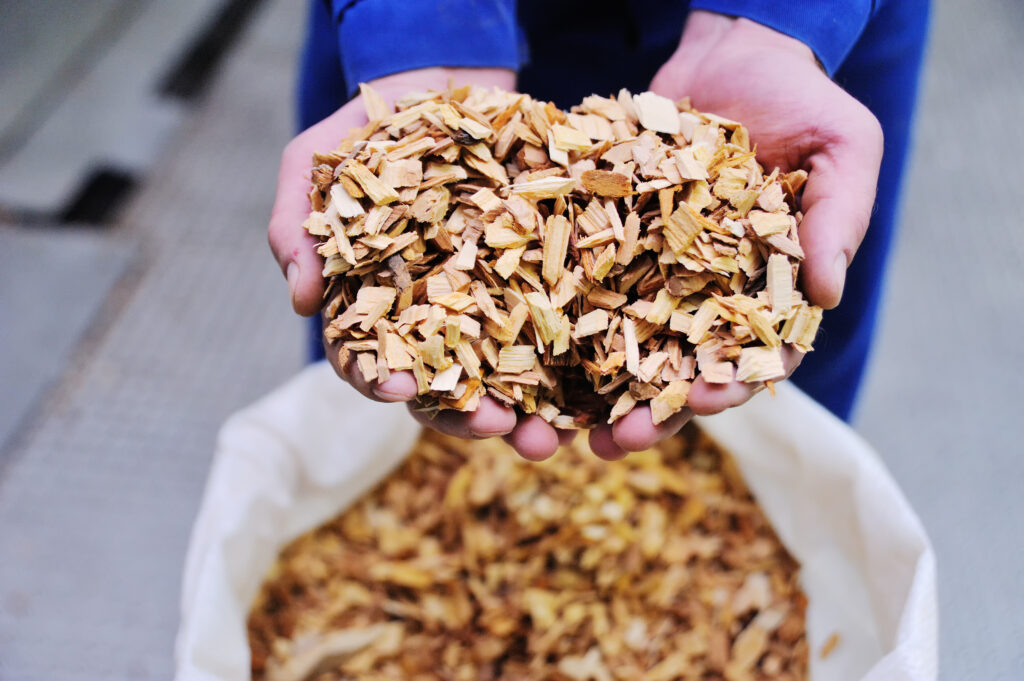
Food always tastes better over an open flame. The smells of crisp logs popping and billowing smoke invite friends and family to gather around in anticipation of cooking before the meal is even prepared.
But building the ideal bank of smoldering embers is more of an art than a science. Fires don’t just need to burn hot; they need to burn with nuance and style. Wood from different trees will impart unique flavor profiles to your ingredients just as your chosen seasonings will. Fuel selection matters just as much as marinade when turning mediocre meats and vegetables into a mouth-watering masterpiece.
Selecting the Best Wood for Live-Fire Cooking
From apple to mesquite, every log produces volatile organic compounds when burned. These particles adhere to food drippings and the moisture on the surface of each ingredient to produce the coveted smoke ring. However, they also infuse your proteins and veggies with different tasting notes that can make or break a dish. Choosing the right hardwood smoking guide helps you decide which options to use when so that thin blue smoke doesn’t overpower mild menu items, and strong-flavored wood doesn’t go unnoticed on a juicy steak.
Wood types break down into three general categories: hardness, sap amount, and cell structure. Leafy trees like oak and apple produce a predictable burn because they lose their foliage annually. Spring-summer woods such as pine, fir, and cedar are loaded with resin. This sticky, flammable liquid causes wood chunks to combust quickly, creates soot, and leaves a terrible aftertaste. True culinary masters only cook with clean hardwood for these reasons.
Seasoned firewood’s moisture level is equally important when pitmaster pros build a flame. Green wood is freshly cut lumber containing upwards of 50% water weight. This excess liquid creates billowing clouds of white smoke as it tries to evaporate off the log before your ingredients can cook. Not only will green wood leave your dishes tasting acrid, but it also won’t burn hot enough to sear meats properly. Ideal fire starters fall between 15%-20% moisture content and ignite with little effort.
Top Wood Varieties for Grilling Red Meat
Steaks, brisket, and beef ribs are cherished for their heavy fat layers and tight protein. These dense cuts thrive on bold smoke profiles because they absorb the wood’s flavors with ease. When stacking a charred tri-tip high with chimichurri for table service, make sure you pick an appropriately flavored wood varietal for seasoning, too.
Oak is the standard by which all other wood types are measured for barbecue. It has a medium-to-heavy smoke output that is rich and savory without becoming too much to handle. Additionally, white oak burns at high temperatures for extended periods, creating one of the most consistent heat sources for thick slabs of beef.
For those who like to push the envelope with extra porkiness, hickory is the way to go. This smoking wood creates a powerful sweet scent that many describe as bacon-like. It pairs wonderfully with pork shoulder and beef ribs, but shouldn’t be overused. Like salt on any meal, too much smoke can ruin the cooking experience. Users should look to complement stronger woods with neutral oak chunks.
Mesquite is the gold standard for intense smoky flavor. Native to desert climates, this hardwood burns quickly and hot while emitting a pungent smell redolent of earthy sweetness. Grilling enthusiasts looking to add tons of char and an aggressive smoke profile to a recipe in a short period of time should use mesquite wood chips. Think skirt steak for fajitas or thin-cut ribeyes.
Best Woods for Smoking Chicken and Fish
Of course, not all meats require such heavy hands when cooking with flavored wood chips. White meats and fish cook beautifully over light green apple smoke or smoked wood chunks from pecan trees.
Apple provides a neutral, exceptionally sweet taste that doesn’t overpower chicken breasts and pork chops. It also takes time to develop in the meat, making it ideal for smoked whole chickens, where the exterior can crisp up to a beautiful mahogany brown.
Cherry wood has much in common with apple, except it adds a beautiful, deep red tint to the exterior of your meat. Foodies enjoy using it on duck, turkey, and game meat. Try mixing cherry wood chips with a neutral-flavored wood like oak to finish cooking poultry for an attractive presentation and complex flavor profile.
Alder is by far the preferred smoking wood for salmon, trout, and whitefish species. It has a unique, lightly sweet taste that complements fish without overbearing the oils they give off when cooked. Professional Pitmasters in the Pacific Northwest have been using Alder wood chips for decades to grill salmon.
Choose Pecan for a rich, nutty finish found directly between fruit woods and strong-flavored hickory. It imparts mild warmth to turkey wings and adds a silky texture to the palate when enjoyed with chicken.
Popular Woods for Vegetables and Pizza
You don’t have to limit yourself to throwing burgers and brats on the grill when it’s fired up. Everything from earthy vegetables to artisan pizza benefits from time in a wood-burning oven.
Vegetables like corn on the cob, roasted peppers, asparagus, and eggplant respond well to light smoke. Wood injects flavor directly into food through the steam released when ingredients hit the grill. Vegetables are moist, which means they will absorb smoke much faster than beef or chicken. Using too strong a wood chip will result in flavors that taste like ash. Keep it simple with fruit woods or oak when grilling veggies.
Much of Mediterranean cooking revolves around this technique. The intense heat of a wood-fired pizza oven cooks dough in under two minutes. The cheese gets all bubbly, and the outside forms that signature hard crunch we all love. Oak wood chips or pecan give pizza that real wood-burning taste you just can’t reproduce with an oven.
Mixing Woods for Unique Flavor Profiles
Now that you have an understanding of each wood type’s smoking effects on food, let’s get into mixing matches to create your special seasoning blend. Fancy restaurants often use proprietary blends of hardwoods to establish a well-known smoke flavor guests can expect each time they dine.
Mix equal parts oak and hickory for the classic flavor profile used in traditional barbecue restaurants across the country. The oak allows for a long-lasting bed of hot coals while the hickory chips provide that smoky taste we all crave. If you’re cooking pork or chicken and want something a little sweeter, try using two parts applewood to one part cherry. Your food will turn out a gorgeous color and have that perfectly rounded sweetness professional chefs rely on to build a loyal customer base.
Where you choose to draw inspiration from will heavily influence the types of wood chips you bring to your fire. A southwestern-style cuisine might lean toward oak with the occasional mesquite chunk mixed in to achieve that trendy desert barbecue flavor without overpowering your kitchen.
Wood Chip Flavors for Seafood
Different seafood varieties pair well with different wood flavors. In general, lighter woods work best because they enhance the natural flavor of seafood without overpowering it. For seafood such as lobster, shrimp, crab, scallops, and fish, lighter wood chips are typically the best choice because they enhance the natural flavors without overpowering them. Alder and apple wood are the most versatile options, providing a mild, slightly sweet smoke that pairs well with most seafood.
Cherry and maple also add subtle sweetness, while pecan offers a richer, nutty flavor that works especially well with shrimp and heartier fish. Strong woods like hickory should be used sparingly, and mesquite is generally avoided as it can overwhelm delicate seafood flavors.
Grilling Don’ts
Avoid these newbie mistakes to ensure your ingredients don’t go to waste.
Green wood is the number one culprit for killing a good pile of coals. It lowers the temperature of your cooking surface and coats everything you cook with an odoriferous form of tar known as creosote. Make sure to buy from reputable dealers who guarantee their wood is properly seasoned or kiln-dried.
Over-smoking is another amateur mistake we see all too often. Just because you can’t smell the smoke doesn’t mean it isn’t there. Swamping your grill with wood chips or chunks for the entirety of the cook can cause meals to take on a bitter taste that numbs your tongue. Many dishes only need wood for the initial searing process and finish off over plain hot coals.
Lastly, pay attention to your airflow management. Fires require oxygen to burn. By tightening your grill’s dampeners too much, you suffocate the flame and force it to absorb oxygen from the wood itself. This process is called smoldering and produces dirty smoke. Keep your intake and exhaust open enough to allow clean oxygen to pass through the fire, cooling it slightly and carrying bad-smelling compounds away.
Choosing Commercial Wood-Fired Cooking Equipment
All of the above tips won’t matter if you don’t have the right setup to manage your live-fire properly. Wood burns much hotter than propane or natural gas, you’ll need a solid wall to contain that energy. A commercial wood-fired grill needs to be constructed from premium materials that won’t warp or crack every season from heat expansion.
Thicker walls equal more thermal mass, which translates to better heat retention. You should be able to add a new stack of wood every hour without seeing much of a drop in temperature throughout your cooking surface. This is the biggest difference between professional wood-fire solutions and your average backyard grill.
Look for commercial-grade grills with adjustable airflow control valves, all-metal grates, and easy access to the ash pan when working in either a commercial kitchen or taking your backyard cooking game to the next level. Correct grill equipment allows you to burn your hardwoods the way they were intended to and have complete control over your guests’ dining experience.
Talk To An Aztec Grill Specialist
Mastering the craft of wood-burning grill flavors starts with a great grill to cook on. Aztec Grill is here to provide commercial-grade wood-burning grills for your restaurant kitchen. Built to withstand the test of time, every Aztec Grill commercial wood-fired grill is backed by our dedication to rugged reliability and superior heat retention. Find the perfect commercial wood-burning grill today to step up your game.