
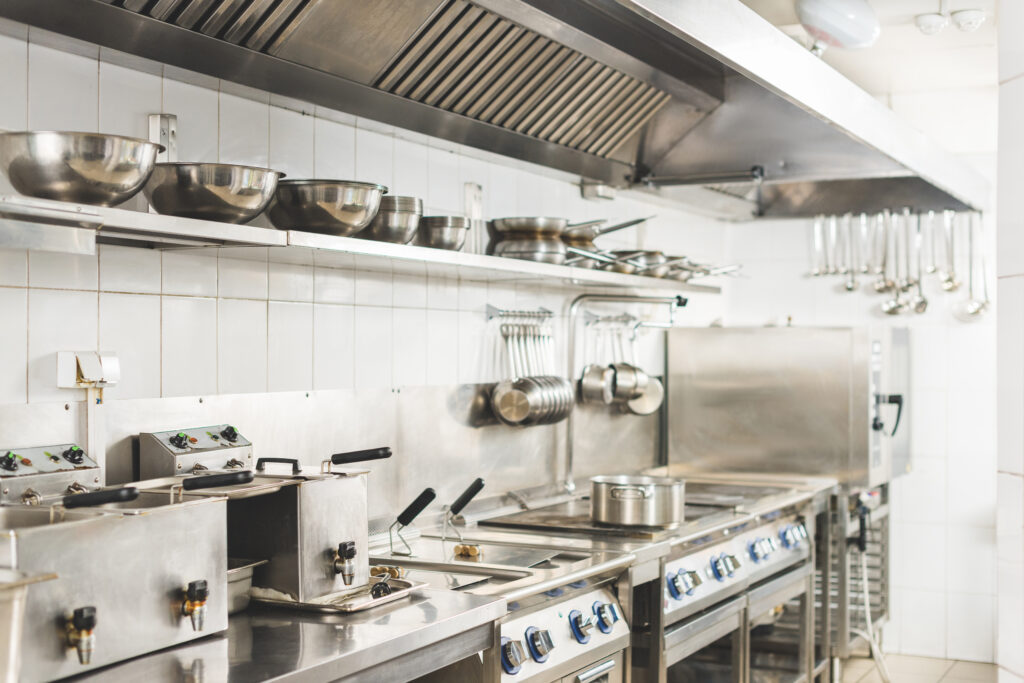
With the weather heating up comes plenty of customers eager to fill your restaurant dining room and patio spaces to get that smoky taste only live fire cooking can provide. Peak season is great for a commercial kitchen business, but it’s also brutal on your team and equipment. Hidden problems get exposed when the orders start stacking up and your ticket times slow down — or worse, something in your grill decides to break down mid-Friday night crunch. Avoid these headaches by preparing your restaurant kitchen for grilling season now, before the crowds come pouring in.
Inspect Your Cooking Equipment
The first step of this preparation should start at the commercial grill itself. Months of heavy use—or even a slower winter season—can leave critical components in need of inspection and maintenance. Depending on the different types of commercial grills for restaurants, they all require additional maintenance.
Begin by examining the cooking grates for warping, excessive wear, or buildup that could affect heat distribution. Inspect the firebox for signs of metal fatigue, cracking, or deterioration caused by prolonged exposure to high temperatures. Pay close attention to air intake dampers, airflow controls, and ash management systems, as these components play a critical role in maintaining proper combustion and temperature control. A well-functioning wood-burning grill depends on consistent airflow. Blocked vents, excessive ash buildup, or damaged dampers can restrict airflow, resulting in uneven heat, excessive smoke, and reduced fuel efficiency.
Inspecting your commercial wood-burning grill before the rush begins can help you avoid costly downtime, maintain food quality, and keep operations running smoothly all season long. Identifying these issues early allows you to make repairs before they affect service during peak business hours.
Deep Cleaning Your Cooking Line
A clean grill cooks better food and keeps your cooks safer. Grease, ash, and food particles collect in the nooks and crannies of your cooking equipment year-round. The longer these buildups are left unnoticed, the bigger your fire risk becomes, as well as the hotter and more efficient your unit will cook.
Deep cleaning a commercial grill takes some disassembly. Remove every grate, radiant, and brazier tray you can and let them soak in degreaser. Pull out every ash drawer and scrape the firebox until you see clean metal. Remove stuck-on food particles and grease with warm soap and water.
Fireboxes and ventilation hoods are where you should pay special attention to cleanliness. Wood-fired cooking creates byproducts called creosote that coat and fill your exhaust ports as it rises. Left unchecked, creosote can catch fire with a stray spark and cause your ventilation hood to catch fire. Always have your ventilation system professionally cleaned from the roof-mounted fans to your kitchen air filters.
Don’t underestimate how much of a difference this deep clean will have on your line. Free of excess grease and trapped air, your cooking surfaces will hold and distribute heat more evenly. Hot spots decrease, and your steaks will sear evenly whether they are cooked in the center or right on the edge of the unit.
Stock Up on Wood Fuel
Busy restaurants go through cooking supplies at a record pace. The thought of running out of wood in the middle of a weekend should keep you up at night. Stay prepared and have your solid fuel setups completely stocked with wood. Estimate your average weekly wood usage during peak periods and secure your supply months in advance. Store wood off the ground to prevent deterioration from moisture absorption.
Have your team build a shelf stocked with grill maintenance supplies. Scrapers, grill brushes, pumice stones, and degreasers should all be in reach when your team starts cleaning. Stock your kitchen with enough utensils that every cook has access to multiples of everything they might need: tossers, heavy-duty thermometers, and grill tongs. Keep your grill spare parts close, too. Grill burners, knobs, and grate covers can always be had locally should your team run into issues.
Get Your Team Prepped For Success
Maintenance and deep cleaning your cooking equipment is pointless if your team isn’t ready to serve a high volume of guests. A poorly trained restaurant kitchen staff is more likely to cause expensive damage to your grill or cause food safety concerns while working over empty burners.
Grill safety should be priority number one when training your team. Go over how to properly put out grease fires and prevent damage to your grill grates or other nearby food. Make sure every staff member knows where all of the fire suppression buttons are, and train your team how to use Class K fire extinguishers. These units are made with special chemicals to fight high-temp kitchen fires and will not further damage your cooking equipment.
Another essential topic to cover with your cooks is proper temperature management. Teach your team how to create multiple temperature zones by pushing coals to one side of your grill. You should now have a hot zone for searing meat, a middle zone for cooking through, and a cool zone for tenting or holding meat. Limiting your meat to only one of these three zones at a time prevents overcooked outsides and undercooked insides.
Laying out cleaning responsibilities should also be a daily discussion with your team. Make sure everyone on the line knows that scraping down your cooking grates and emptying ash drawers isn’t a job for the end of the night. Cooking line cleanliness is critical and should be performed consistently to promote proper airflow and even temperatures.
Perfect Your Kitchen Flow
Even if your kitchen staff is perfectly trained, poor line setup will lead to slow tickets and angry customers. Perfecting your kitchen’s preparedness includes looking at the physical flow of both your food and your cooks.
Your prep stations should sit right next to your cooking station with as few steps in between as possible. If your refrigerator allows, store your raw proteins, marinades, and garnishes on refrigerated drawers beneath your cooking unit. Your food should be kept at proper temperatures right up until it hits your cooking surface. This setup keeps your cooks literally steps away from the fire at all times.
Verify that all of your food storage follows correct rotation procedures and that temperatures are where they should be. Summer heat rises in kitchens and can force your refrigeration units to work extra hard to keep temperatures below 40F. Keep a close eye on these outside temperatures and organize your cold storage with first-in/first-out rotations when possible.
The last step to a well-oiled kitchen machine is efficient ticket routing. Make sure your expo team is staggering tickets so that grilled items, which will need resting time, are finishing at the same time as sides, salads, or other cold items. Cooked-to-perfection dishes should be hitting your tables together and piping hot.
Upgrade Your Restaurant Equipment
When all else fails, old or outdated restaurant equipment might be what’s holding your kitchen back. If your current grill struggles to maintain temperatures, requires constant repairs, or shows significant structural wear, upgrading may be more cost-effective than continued maintenance.
Modern commercial wood-burning grills offer improved airflow management, enhanced heat retention, and more durable construction. Investing in high-quality equipment can reduce operating costs, improve cooking performance, and provide greater reliability during your busiest seasons.
Aztec Grill Has Equipment That Will Last The Season
Putting your restaurant kitchen through the wringer every summer means you need equipment built for the task. Aztec Grill has been manufacturing and exporting high-quality commercial-grade wood-burning grills for over 40+ years. Our stainless steel grills were all crafted with the professional chef in mind and built to overcome the harshest of kitchen environments.
Heavy-duty stainless steel, superior heat retention, and carefully calibrated airflow are just some of the factors we consider when engineering our cooking equipment. Give your kitchen the control it needs to cook flawless meals night after night by checking out our restaurant grill options. Discover your grill today and take control of your kitchen’s future.