
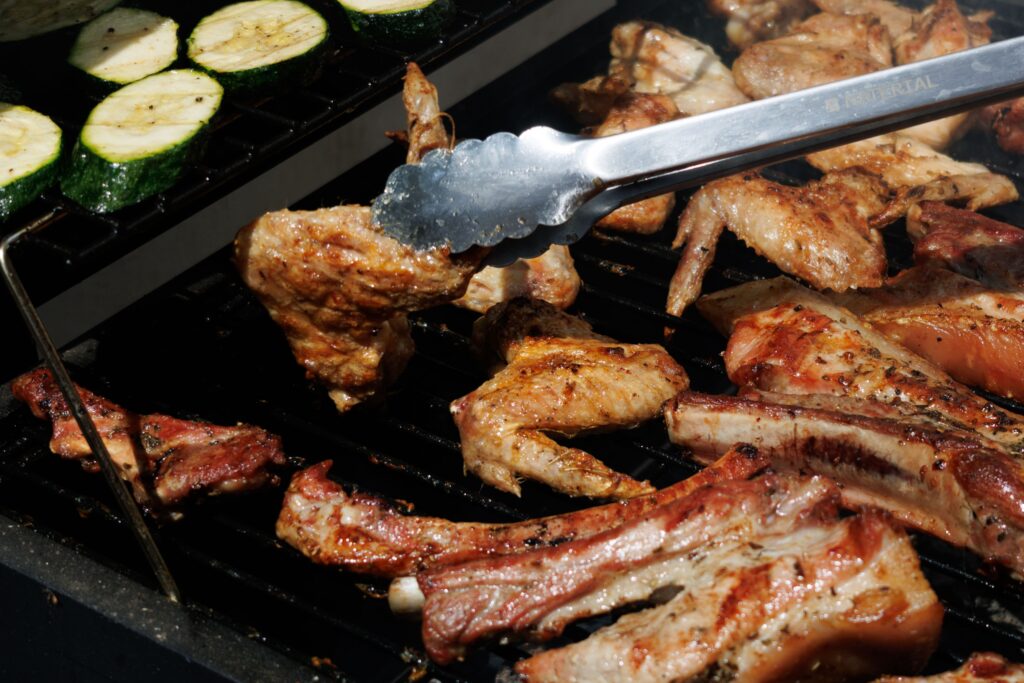
Midsummer brings a predictable shift in consumer behavior as diners seek out experiences that mirror the warmth and freedom of the season. When temperature gauges rise, the collective appetite shifts toward food cooked over open flames. Establishments that position themselves to satisfy this craving capture a dedicated segment of seasonal foot traffic.
Preparing a kitchen line for a month-long thematic celebration requires foresight, proper fuel sourcing, and an understanding of wood-fired mechanics. Relying on basic gas charbroilers often falls short of meeting elevated consumer expectations for genuine, wood-flecked char. Navigating the operational demands of this high-volume period means matching culinary creativity with robust kitchen preparation.
What Is National Grilling Month?
Every year, the hospitality industry recognizes July as a dedicated celebration of open-flame cooking. This month-long event highlights the deep cultural connection between summer gatherings and wood-fired culinary traditions. Across the country, backyard hobbyists and professional chefs alike focus their attention on perfecting char, smoke rings, and crust formation.
Capitalizing on the peak July grilling season allows commercial kitchens to align their menus with current consumer demand for deeply caramelized proteins and charred seasonal produce. Summer dining trends consistently show that patrons favor rustic, primitive cooking styles when dining out during the warmer months. This strong consumer demand for grilled foods presents a massive revenue opportunity for operations that can deliver authentic wood-smoked profiles efficiently.
Why July Is the Peak Season for Wood-Fired Cooking
Warm weather naturally encourages people to step away from home kitchens and gather in communal spaces. Restaurants featuring patios, decks, or visible cooking lines experience a significant surge in outdoor dining traffic during mid-summer. This shift in scenery primes guests to expect sensory-rich meals that complement the open-air environment.
Introducing strategic wood-fired grilling into your rotation unlocks unique seasonal menu opportunities that cannot be replicated during winter months. Farm-fresh sweet corn, heirloom squash, and stone fruits perform exceptionally well when kissed by a live hardwood fire. This natural synergy between weather and menu design leads to increased customer engagement, as diners associate the distinct aroma of burning wood with premium, scratch-made summer dining.
Popular Menu Ideas for National Grilling Month
Structuring a successful summer menu involves blending classic American favorites with unexpected, fire-roasted variations. The goal is to maximize throughput on the line while offering a noticeable flavor upgrade from standard residential equipment. Focusing on heat-zone management allows the kitchen to execute diverse dishes concurrently.
Premium wood-fired steaks serve as an excellent anchor for high-margin dinner features. Thick-cut ribeyes, bone-in New York strips, and tender fillets develop a rich, complex exterior crust when exposed to the intense thermal energy of natural wood coals. This rapid caramelization locks in moisture, ensuring a tender bite that pairs beautifully with simple sea salt and herb-infused butters.
Moving down the line, traditional burgers and BBQ remain indispensable for casual lunch crowds and festive weekend dining. Crafting custom burger blends and searing them directly over blazing embers imparts an unmistakable backyard character. Brisket, pork shoulders, and rack of ribs can be finished over the hot zone to crisp up edges and set house-made glazes just before plating.
Expanding your repertoire to include delicate grilled seafood and vegetables provides balanced choices for lighter summer appetites. Whole fish, jumbo prawns, and octopus tentacles cook rapidly over glowing coals, absorbing clean smoke without drying out. Meanwhile, splitting romaine hearts, thick avocado halves, or local asparagus spears and flashing them over high heat adds a sophisticated, smoky element to your seasonal salad section.
Is Your Patio Ready for Summer Crowds?
Answer these brief questions to see if your concept is fully prepared for the July rush.
- Is your outdoor seating perimeter shielded from direct afternoon sun and ambient grill smoke?
- Have you adapted your beverage program to include crisp, refreshing pairings that balance rich, smoky entrees?
- Can your service staff articulate the specific wood varieties used to flavor your featured dishes?
Aligning your service details with your cooking method creates a cohesive narrative that guests appreciate.
How Wood-Fired Cooking Enhances the Dining Experience
The mechanical advantages of utilizing solid fuel extend directly to the guest experience on the floor. Unlike hidden electric elements or standard gas lines, an active hardwood fire acts as a visual and aromatic beacon. The authentic smoky flavor generated by vaporized drippings creates a complex taste profile that chemically satisfies human cravings for open-flame cooking.
Positioning your station to allow an open-flame presentation transforms a standard dinner shift into an engaging culinary performance. Guests enjoy watching the kitchen crew manipulate large logs, shift active coals, and manage shifting heat zones. This interactive guest experience builds a strong sense of transparency and craftsmanship, giving diners a compelling reason to choose your establishment over more conventional competitors.
Preparing Your Restaurant for Increased Grilling Demand
Smooth execution during a chaotic weekend rush is entirely dependent on structural organization and preventative habits. Implementing practical commercial grilling tips keeps your line running safely and efficiently. Kitchen leadership should establish a strict, daily checklist to handle the physical byproducts of solid-fuel cooking.
Comprehensive equipment maintenance must be performed before launching any ambitious grilling month promotions. Operators need to clear out residual ash chambers every morning to prevent restricted airflow, which can suffocate the fire and lead to unpredictable drops in cooking temperatures. Grates must be scrubbed thoroughly while warm and seasoned with high-smoke-point oils to prevent delicate proteins from tearing during service.
- Scrape down interior firebox walls weekly to monitor structural integrity.
- Train line cooks on the physical difference between direct flame flare-ups and radiant coal heat.
- Clear drainage ports daily to manage rendered fat and prevent grease accumulation fires.
Dedicated staff training ensures that every member of the line knows how to build, maintain, and extinguish a solid-fuel fire without disrupting ticket times. Additionally, secure your supply lines early; fuel and supply preparation involves calculating your weekly fuel consumption to avoid running out of seasoned hardwood during a busy holiday weekend.
Marketing Ideas for National Grilling Month
Drawing crowds during the height of summer requires a mixture of digital storytelling and unique on-site activations. Incorporating diverse restaurant grilling ideas into your outreach keeps your brand relevant in a crowded marketplace. Highlighting the physical process of wood-burning cooking helps differentiate your messaging from standard food photography.
Launch targeted social media campaigns that showcase behind-the-scenes footage of your kitchen team stoking the fire, prepping premium cuts, and flashing fresh produce over open flames. Introducing limited-time menu items that change weekly keeps the concept fresh and encourages repeat visits from regulars who want to catch every seasonal feature.
Organizing dedicated outdoor grilling events on your patio or parking area can attract neighborhood families and foot traffic that might otherwise pass by. Utilizing prominent wood-fired menu branding across your physical and digital menus clearly signals to guests that your kitchen prioritizes authentic, traditional methodology over shortcuts.
Why Restaurants Choose Durable Commercial Wood Grills
The grueling nature of a professional kitchen quickly exposes the weaknesses of inferior cooking equipment. Standard commercial charbroilers built with thin metal housings frequently warp, crack, or suffer from severe heat loss when forced to burn solid fuel for hours on end. Opting for specialized, heavy-duty commercial grills for restaurants ensures your line maintains steady, predictable thermal mass throughout the entire shift.
Experienced operators choose robust systems for their unparalleled performance during high-volume service. Thick steel construction and professional insulation retain heat efficiently, reducing overall wood consumption and keeping the kitchen cooler. The inherent reliability and maintenance advantages of single-piece mechanical designs mean fewer broken parts, minimal downtime, and a straightforward cleaning process that allows your team to close down the kitchen quickly at the end of a long night.
Call On Aztec Grill | Your Partner in Long-Term Productivity
Sustaining a successful live-fire culinary program requires equipment that matches the passion and stamina of your kitchen crew. At Aztec Grill, we specialize in engineering and manufacturing premium, commercial wood-fired grills designed to withstand the unyielding pressures of high-volume food service. Our heavy-duty stainless steel structures provide exceptional heat retention, precise airflow management, and the rugged durability required to anchor your line during the busiest summer rushes. We understand that maximizing kitchen efficiency, reducing fuel waste, and maintaining short ticket times are critical components of your operational success.
Our team is fully committed to helping you integrate authentic, reliable wood-burning capabilities directly into your kitchen layout. Explore our complete line of robust commercial restaurant equipment today to elevate your menu offerings and bring the undeniable power of real live-fire cooking straight to your dining room.