
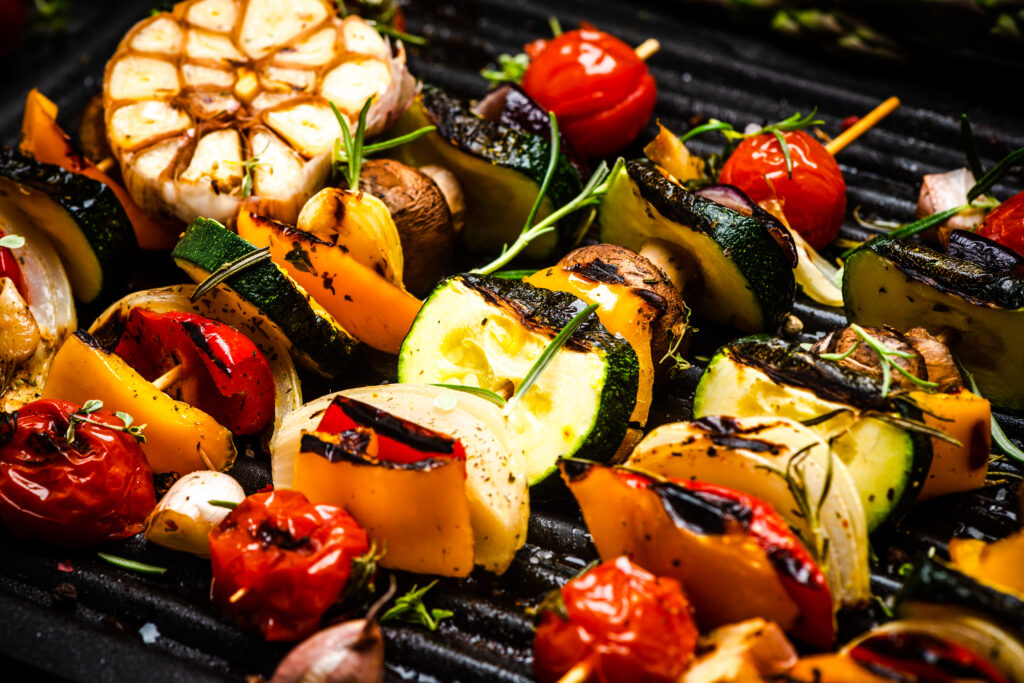
Successfully navigating between seasons gives kitchens an opportunity to serve higher-margin, flavor-forward dishes year-round. Operators can leverage wood-fired grilling to capitalize on changing weather by meeting diner demand, decreasing ingredient spend, and keeping outdoor spaces active.
What’s the Difference Between Summer and Fall Grilling?
Seasonal grilling focuses on the times of year when specific ingredients are freshest, least expensive at market, and most desired by diners. Fuel sources and cooking techniques can also change with the seasons to better complement food costs and maximize flavor.
Restaurants that switch things up with the weather typically see higher guest counts and profit margins. Restaurants with seasonal grilling menus have a competitive advantage over others with static menus that never change.
Summer Grilling Recipes
Fast cook times, bright flavors, and fresh ingredients cooked over direct heat are hallmarks of successful summer cooking. Pairing peak summer ingredients with the grill creates craveable dishes that keep guests filling restaurant dining rooms.
| Food Category | Ingredients to Use | Wood & Grill Method |
| Heavy Searing & Protein Builds | Flank steak, red snapper fish, smash burgers | High heat cooking over oak wood |
| Produce & Side Dishes | Heirloom tomatoes, sweet corn, peaches | Hardwood charcoal for a direct sear |
| Quick-Turn appetizers | Blistered shishito peppers, grilled flatbread | Char quickly over a high flame |
Cooking with high heat on a wood-fired grill seals in moisture while imparting a subtle smokiness that takes lightweight ingredients to the next level. Citrus-based marinades and fresh herbs can stand up to strong heat without burning.
Summer Grilling Menu Items With High Profit Margins
Summer grill menu items that have high profit margins utilize seasonal ingredients with short cook times and minimal prep work.
- Burgers and Sandwiches: Everything from fast-seared patties with hardwood smokiness to caramelized onion jams and locally sourced cheese.
- Seafood: Fish like whole grilled branzino or wild salmon fillets cook quickly over intense flame without drying out and with crispy skin intact.
- Summer Vegetables: Grilled summer squash, corn on the cob, and peppers are delicious ways to build out sides.
- Stone Fruit Desserts: Peaches, plums, and pineapple have lots of natural sugar that can easily caramelize over heat, making them no-fuss, high-margin desserts.
Why Should Summer Recipes Always Include Wood-Fired Flavor?
Wood-fired flavor is a must on summer menus because your customers want it. Summer is the peak time of year for restaurants to capitalize on outdoor cooking trends.
The added dining room capacity that comes with outdoor dining spaces requires kitchen equipment capable of keeping up with high volumes, short cook times, and flavor consistency.
Turnover rates will increase when you use open flame to prepare quick-sear items like burgers, chicken breasts, and steak. Wood-fired grilling is aesthetically pleasing and smells incredible, which will lure in passersby to spend more on food and beverage.
Fall Grilling Ideas
Flavor-rich smoke, low-and-slow temperatures, roasted vegetables, and braised proteins dominate fall cook menus. Ingredients and cooking methods should reflect the changing, cool weather.
| Food Category | Ingredients to Use | Wood & Grill Method |
| Low-And-Slow Cooking Proteins | Beef brisket, pork shoulder, rack of lamb | Smoke at a low temp using indirect heat and hickory wood |
| Fall Root Vegetables & Squash | Butternut squash, sweet potatoes, Brussels sprouts | Medium indirect heat with applewood chips |
| Carbs: Pizza & Bread Builds | Artisan flatbreads, wood-fired pizzas | High heat on the dome with mixed hardwoods |
Transitioning into fall means experimenting with darker wood flavors like mesquite, pecan, and applewood.
Recipes to Fire On Your Grill in Fall
Heartier fall grill recipes take advantage of slow-roasting, heavy smoke application, and caramelization of hard squash.
- Brisket and Pork: Both beef brisket and pork shoulder can be cooked low and slow on a wood-fired grill to create tender, high-margin center-of-the-plate options.
- Fall Squash: Roasting delicata, acorn, and butternut squash with butter and fresh sage over indirect flame brings out natural sweetness.
- Comfort Food Proteins: Pork chops, game meats, and sausage can all be grilled or smoked to bring warmth and comfort to fall diners.
- Pizza and Flatbreads: Grabbing those high temps to blister wood-fired pizzas and artisan flatbreads topped with roasted fig, prosciutto, and gorgonzola is sure to become a fall favorite.
Benefits of Updating Your Menu with the Seasons
Updating menus with new selections as the seasons change creates interest with repeat customers, allows you to take advantage of local growers, and builds urgency with limited-time offerings.
- Increased Guest Engagement: The more guests visit your restaurant, the higher their overall lifetime value. Switching up menus monthly allows you to capitalize on seasonal trends and keep diners coming back for new dishes.
- Source Local Ingredients: Ingredients are always less expensive when in-season due to high supply. Building menus around local growers can decrease food cost and improve quality.
- Limited-Time Items: Promoting seasonal recipes on menus and social media creates a need for urgency, and new items allow for fresh marketing strategies.
Why Commercial Outdoor Grills Are Key for Restaurants
Restaurant-grade cooking equipment comes with heavier-gauge metal and insulation to retain higher temperatures for longer periods without losing heat. This means commercial outdoor kitchens can use the same grill year-round and change up their cooking techniques to match seasonal trends.
How to Choose Commercial Grills For Seasonal Cooking
Whether running summer menus or fall menus, chefs need cooking equipment that can withstand the demands of a commercial kitchen. High-quality restaurant grills from Aztec Grill are made with commercial-grade, heavy-duty stainless steel that holds and manages high temperatures and airflow like no other.
FAQ
Q. How can restaurants lower food costs with seasonal grilling?
Restaurant food costs can be lowered by taking advantage of in-season ingredients when they’re most abundant. Cooking with high heat can also help reduce food costs by cooking meats quickly and locking in natural juices.
Q. Do different types of wood work better for summer recipes vs fall recipes?
Since summer recipes tend to focus on seafood, poultry, and produce, it’s best to grill with lighter woods like oak, alder, and fruit woods. Heavier meats and root vegetables are better off smoked on hardwoods like hickory, pecan, and mesquite.
Q. Can commercial grills run properly in cold fall weather?
Yes! Commercial wood-fired grills manufactured with high-quality stainless steel and insulation hold in heat better than the average grill. This allows for consistent cooking times and temperatures even when the weather is cold.