
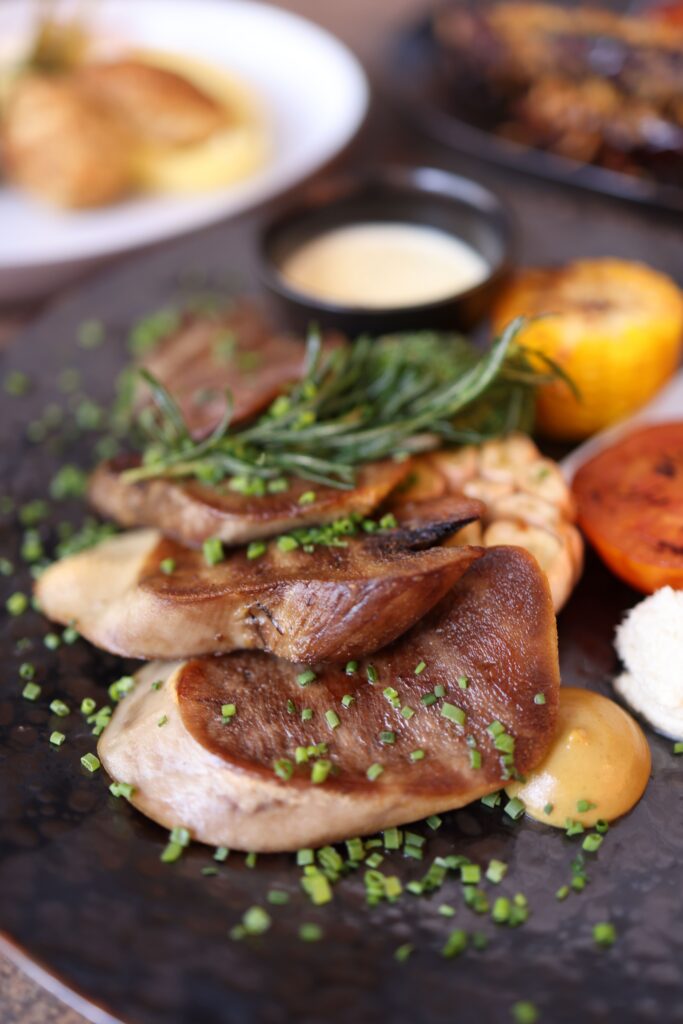
Restaurant guests’ palates change quickly. They’re visiting restaurants and searching for real fire cooking that will deliver complex aromatics and a true oak flavor. Growing your menu with wood-fired cooking creates an instant opportunity for kitchens to level up on flavor and presentation. By adding wood-fired menu items to your program, you can stand out from restaurants using traditional gas griddles and turn radiant heat into your brand.
What Are the Benefits of Adding a Commercial Wood-Burning Grill To My Restaurant’s Menu?
Whether it’s 600° steaks or wood-fired seafood, a commercial wood grill provides precise temp control and high radiant heat. Kitchen teams can torch thick cuts of protein while low-and-slow roasting vegetables and bread over the same fire. Natural burning embers also impart unique smoke flavors to enhance everything from tomahawks to lobster.
| Food | Wood Type | Direct Temp Recommended |
| Steaks & Red Meat | Oak, Hickory | 600° F – 800° F |
| Seafood & Shellfish | Applewood, Alder | 400° F – 500° F |
| Vegetables & Bread | Cherry, Pecan | 350° F – 450° F |
Modern guests have a strong affinity for organic, wood-fired cooking practices. They want to see the flames and taste the caramelization that only a natural ember can create. While gas flames put out even heat, they lack the natural wood smoke that complements high-end ingredients. Implementing wood-fired menu ideas provides customers with an aromatic experience as soon as they walk through your door.
Why Should Restaurants Offer Wood-Fired Steaks?
Wood-fired steaks are blasted with infrared heat energy that cooks steaks faster than other heating methods. When done correctly, the steak will develop a flavorful, caramelized crust on the outside and remain incredibly juicy on the inside. Oak and mesquite burn clean and produce smoke that won’t overpower your proteins.
To get a good crust on a steak, you need heat. There is no better way to create that caramelized texture than wood-burning embers. The intense heat from hot coals will create a mahogany crust on your favorite cuts.
- Bone-In Ribeye: Cook over white-hot embers to melt excess fat while smoked in oak flavor.
- Dry-Aged Strip Loin: Grill over medium heat and raised cooking grates to infuse subtle wood flavors while maintaining the aged character of the meat.
- Filet Mignon: Sear in butter and herbs to create texture on the outside without drying out the inside.
Chefs can even customize steakhouse dishes by garnishing with smoked salts, grilled bone marrow butter, or simply dipping meats in the natural juices and fats left on the grill grates.
Can You Cook Wood-Fired Seafood Without Cooking It Too Much?
Because seafood will cook quickly over wood-fired grills, it’s important to monitor your grill grates’ height above the coals and control the temperature. Wood-fire roasting is a quick process once food hits the grill. The high heat will crisp the skin in seconds, but the smoldering wood will soak into the seafood, creating savory sweet notes.
Don’t think of cooking wood-fired seafood any differently than cooking steaks. The key is configuring your grill grate height and wood selection.
- Atlantic Salmon: Cook salmon on cedar planks or higher grill grates over cool applewood embers to retain those healthy omega-3 fats.
- Jumbo Shrimp or Scallops: Place shrimp and scallops on skewers between grilled herbs. Cook over high heat to quickly sear the exterior and lock in texture.
- Lobster Tails: Split lobster tails in half, coat in garlic butter, and place shell side down on the grill to allow sweet smoke to surround the meat.
- Whole Snapper or Sea Bass: Score snapper skin, place herbs and lemon halves in cavity, and cook over low heat to crisp skin and enhance flake texture.
No matter what you cook over fire, wood-fired seafood is an easy menu item to capture because it tends to hold higher margins. Once you figure out how to control your grill setup and temp, kitchen staff can deliver to hungry customers instantly.
Should I Limit Wood Fired Cooking To Meat Only?
Think beyond meat. Roasted cauliflower, peaches, or artisan bread taste delicious when exposed to live-fire convection. High heat will instantly caramelize sugars in vegetables, creating new centerpiece entrées. Bread will take on unique smoke flavors that are sure to stand out from traditional bakery oven offerings.
Expanding your restaurant menu doesn’t need to be limited to ribeyes and seafood. Cook teams can use the space around wood-fired grills to roast whole pumpkins, char heirloom tomatoes, or flame-sear corn for house-made salsa.
- Blistered Vegetables: Throw seasonal vegetables like carrots, broccolini, or Brussels sprouts into cast iron pans over open flames for natural caramelization and a smoky char.
- Artisan Flatbreads: Place unbaked flatbread dough directly on greased grill grates to create puffy blistered bread bowls for appetizers.
- Smoked Fruit: Wood grill sliced peaches, figs, or pineapple halves to reduce natural sugars for dessert or smoked meat accompaniments.
Pro Tip: Use your grill’s ember bed to your advantage. Throw whole eggplant, onion, and garlic into the grill overnight while embers are cool to capture deep roasted flavors for sauces, dressings, and oils.
Can Cooking With Wood Really Increase Revenue?
Food prepared over a wood fire creates an opportunity to raise your prices. When guests see open flames, they instantly believe the food will be better. They will spend more on your wood-fired creations, allowing you to increase margins on main dishes and simple side salads.
There are several direct benefits to restaurant revenue when deploying wood-fired cooking.
- Higher Check Average: Customers will order wood-fired sides and wood-fired appetizers alongside standard menu entrees.
- Visual Appeal: The grill build creates natural social shareable photos that will fill your restaurant with new guests (for free).
- Menu Flexibility: Brands can utilize their wood-fire for brunch, lunch, or dinner service to minimize raw food waste.
Add Wood-Fired Cooking To Your Line With Aztec Grill
Expanding your menu doesn’t have to be difficult. If your restaurant wants to raise the price of steak or offer wood-fired seafood, customers will have an immediate flavor expectation. At Aztec Grill, we build some of the most durable commercial wood-fired grills in the industry. Our patented temperature controls allow chefs to push their menu creativity day after day. See how Aztec Grill can change the game for you. Contact our sales team today!
Wood-Fired Cooking FAQ
Q. What wood should I use for wood-fired cooking?
There are many different woods you can burn on a commercial grill. For meats, we recommend oak, mesquite, hickory, and pecan for red meat cooking. For white meat like seafood, chicken, pork, and vegetables, we recommend apple, cherry, and alder wood.
Q. Are commercial wood burning grills high maintenance?
Commercial wood burners aren’t high maintenance. Operators should empty the ash pan daily, clean grill grates after each use, and periodically check firebricks for damage. Stainless steel grill grates are easy to clean. Plus, the V-shaped grill grates redirect heat away from wood burners.
Q. Is a wood-fired menu good for quick service?
Absolutely. By pre-loading your coal bed prior to service, you can create high-temp zones for searing skewers, flatbreads, seafood, and thin protein cuts in minutes.