
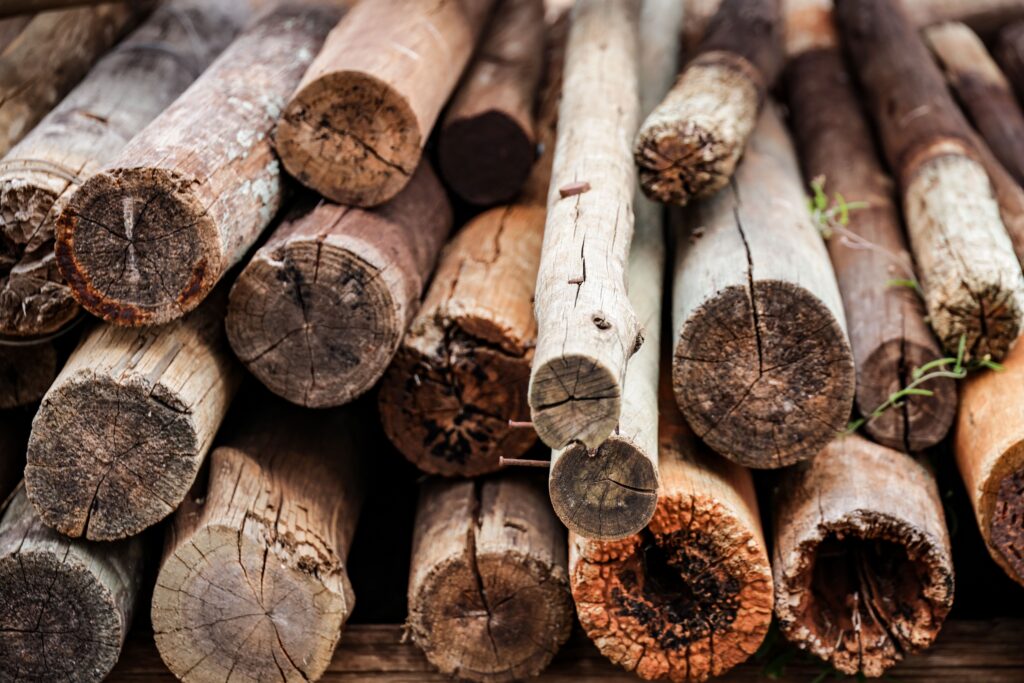
Operating a wood-fire kitchen line means maintaining precise control over cooking fuel, heat output, and combustion. Selecting proper timber influences food flavor profiles, equipment thermal efficiency, line safety, and even total food costs. At high-volume speeds, choosing the wrong fuel can ruin pricey cuts of beef or impart dangerous creosote deposits inside exhaust ducts.
Differentiating between hardwood vs softwood for grilling empowers culinary professionals to run dependable fuel sources for even heat output, desirable smoke levels, and clean grilling surfaces.
| Fuel Type | Heat Output (BTU per cord) | Burn Duration | Resin & Sap Content |
| Hardwood (Oak, Hickory) |
High (24-48 million) | Long & Steady | Extremely Low |
| Softwood (Pine, Fir) |
Low-Medium (15-18 million) | Rapid & Flares Up | Extremely High |
What Is the Difference Between Hardwood and Softwood?
Hardwoods are denser, burn longer, and produce less resin than softer options. Hardwoods are derived from deciduous trees that lose their leaves each year. Softwoods come from the leaves of coniferous trees, which look like pine trees or fir trees.
The Fingernail Test to Identify Softwood from Hardwood
When pressing your thumbnail against a cleaned slab of seasoned fuel, hardwoods like white oak or pecan will not indent at all. Softwoods like cedar or pine will compress easily due to a loose cell structure.
Visual Comparison
Hardwoods contain opposite leaf groups known as broad-leaves. Once they mature and reach harvest size, the wood cell structure is tight and dense. These strong fibers burn hot and slow, creating a long-lasting bed of coals.
On the other hand, softwoods leave plenty of room for water to flow between cells. This makes it easier for sun and wind to dry out freshly cut softwood fuel. When ignited, softwoods burn faster than hardwoods and leave little cookable coal bed mass.
The biological difference between hardwood vs softwood timber is botanical reproduction methods rather than the physical density of cut logs and fuel slabs. Hardwoods trees produce seeds covered by a protective fruit layer.
Trees like maple, oak, and walnut use this enclosed reproduction to generate hardwood trees. On the contrary, softwoods produce naked seeds with exposed pollen like pine trees and fir trees.
Why Does Fuel Matter in Wood-Fired Cooking?
Fuel type affects how stable grill heat remains while cooking, how much smoke your grill produces, and how quickly food cooks through. Choosing the right wood for wood-burning grills can protect your food integrity and keep air inside the grill clean.
Evaluating Smoke Color When Grilling
Blue or clear smoke indicates your fire is hot enough to cook with and will perfume your foods with sweet-smelling smoke flavor. White or gray smoke is unburned fuel smoking off and will ruin your food with sticky grease and foul-tasting creosote.
Density and Burn Length
Maintaining steady cooking temperatures becomes crucial during a busy restaurant shift. Dense hardwood fuel sources will burn long without large temperature swings. Low-density softwood burns will flare up quickly, burn out, and leave you stacking more wood during a rush.
Another important differentiator is smoke flavor itself. While hardwood like oak produces cleaner smoke, softwood generates thick, harsh smoke that leaves your dishes tasting bitter.
What Are the Advantages of Using Hardwood for Cooking?
The main benefits of hardwood for cooking are: long-lasting heat output, low resin content, easy temperature control, and aromatic smoke. By choosing only the best hardwood for cooking, chefs can guarantee their line produces even sear zones and sustainable roast temperatures.
Cooking Woods
| Variety | Flavor Intensity | Best Protein Match | Burn Rate |
| White Oak | Medium/Neutral | All Meats | Very Slow |
| Shagbark Hickory | Strong/Smoky | Beef & Pork Shoulder | Slow & Hot |
| Mesquite | Very Strong | Venison, Duck | Fast & Very Hot |
| Sweet Pecan | Medium-Low/Sweet | Chicken & Porkloin | Medium & Slow |
Hardwoods retain heat better than softwoods. Since hardwood burns slowly and steadily, one log can burn for hours if managed correctly. The longer burn time allows for less wood to be used at a time, decreasing storage needs and fuel costs.
Cooking with hardwood leaves less residue on grill grates and in exhaust ports. Since hardwood burns hot and clean, no flammable oils or liquids are released while combusting. This prevents your kitchen ventilation system from catching fire.
Managing Two Zones of Coals
Because oak burns so slowly, you can push hot coals to one side of the grill. Think of one area as your direct sear zone while the other is for slow-roasted foods.
Which Wood Should Professional Chefs Use On Their Lines?
As professional chefs know, different cooking woods produce different flavor notes. For similar reasons, oak cooks love white oak; fruitwoods like apple and cherry add subtle sweetness to menu staples like chicken, pork loin, and smoked turkey.
Oak is the preferred cooking wood for professionals worldwide. When heated, oak produces hot coal beds that will last for hours. However, oak doesn’t produce a strong smoke flavor.
The next best cooking wood is hickory, followed closely by mesquite. Mesquite burns the hottest and fastest. Chefs use these woods for quick searing high-fat meats like chicken wings.
The last great cooking wood is pecan. For all cooking purposes, pecan acts nearly identical to oak, only with a subtle nutty aroma.
Warmed applewood and cherry produce medium smoke levels with sweet undertones. These two fruit woods create a beautiful mahogany color on the surface of smoked pork chops and vegetables.
Why Should Professionals Avoid Softwood Cooking Fuel?
Softwoods burn incredibly fast due to volatile oil and sap deposits. Cooking over softwoods like cedar will rapidly smoke food, then leaves cooks with sticky charcoal fires that are difficult to extinguish.
Choose hardwood instead of softwood options whenever cooking commercially. Food tastes better when cooked over natural hardwood smoking chunks that impart sweet-smelling smoke to your dishes.
So why should professional kitchens stay away from cooking with softwoods? Softwood has too many negative side effects to be used in a commercial kitchen. Using something like pine or cedar will drop your hood air temperatures, increase cleaning requirements, and cause potentially dangerous flare-ups.
How Do You Choose the Correct Wood for Cooking?
There is no hard-and-fast rule when selecting cooking wood. Different menu items react differently to smoke flavors and cooking times.
| Menu Item | Recommended Fuel | Culinary Goal |
| Prime Cuts of Beef | Hickory-Oak Blend | Rich Flavor & Dark Bark Formation |
| Heritage Pork Cuts | Applewood/Pecan | Sweet Smoke & Reddish Stain |
| Chicken & Quail | Cherry/Post Oak | Subtle Smoke Flavor |
| Fish | White Oak/Alder Planks | Smoky Heat without Lingering Smoke |
The thicker and fattier the meat cut, the stronger smoke woods you can use. Prime beef ribeyes and dry-aged hamburgers can withstand intense smoking woods without becoming overpowering.
Soft mild meats like poultry or fattier pork cuts need subtler smoke flavors. Chefs typically turn to fruit woods like cherry or apple when cooking mild meats.
Lean proteins like seafood, wild-caught fish, and even vegetables need cooking wood that produces light smoke.
Prevent Over-Smoking Your Seafood
When cooking delicate fillets of white fish or sea scallops, grill over hot white ash instead of wet wood logs. Because there is no flame, your food will not absorb heavy smoke flavors.
How Should I Store Cooking Wood and Prepare It For Use?
All cooking wood should be seasoned before use. Seasoning your firewood means cutting logs into splits, then allowing them to dry till they reach ideal moisture levels.
Is Your Cooking Wood Properly Seasoned?
Invest in a $20 moisture meter to verify your internal log temperature ranges from 15%-20%. Higher moisture levels equal steaming cooking fires and too much white smoke.
Wood that isn’t seasoned will burn cooler and slower. Moisture levels inside green wood should be no higher than 25%. Any cooking wood with high moisture deposits wastes energy by evaporating water content during ignition.
Proper firewood should be stored off the ground on a wooden pallet. Besides keeping wood away from moisture buildup on the ground, allow fuel to air dry on both sides of each log.
The last tip for proper wood storage is to avoid drying wood up against exterior kitchen walls. Kitchens love bugs. The less your firewood pile touches your building, the fewer bugs you’ll find in your kitchen.
Call Aztec Grill | Your Fire-Grilled Experts
Every hurdle in mastering live-fire cooking begins and ends with having the right tools for your kitchen. Commercial wood-burning grills should maintain high temperatures for long periods without warping cook surfaces or distorting heat output.
That’s why Aztec Grill specializes in commercial-grade live-fire kitchen equipment made from professional-grade stainless steel, firebrick hearths, and heavy-duty mounting hardware. Our cooking solutions were engineered with live-fire cooking in mind.
Aztec Grill provides kitchen operators with the means to grill over hardwood every shift.
Contact Aztec Grill today to see how we can help heat up your foodservice business.
Frequently Asked Questions
Q. What is better for cooking, hardwood or softwood?
Hardwood is ideal for cooking because it burns hotter and longer than softwood. Softwood contains chemicals that can make your food taste bad.
Q. What hardwood burns the longest?
Oak is by far the longest-burning wood species used for cooking. Oak produces hot coals that chefs all over the world use to maintain constant grill temperatures.
Q. Is oak better than mesquite for smoking?
Oak-smoked meats produce a mild smoke flavor that doesn’t overpower your dishes. Mesquite can produce strong smoke that tastes like liquid charcoal if not managed properly.